List 3 min read
The Rarest Animals in the World (and How Many Are Left)
Some species are down to a few dozen animals. Others are so rarely seen that nobody knows how many there are. Meet the rarest animals in the world.
“Rare” can mean two things. Some animals are rare because there are almost none left. Others might be fairly common, but live so deep or so hidden that people almost never see them. This list has both. Numbers are the best recent estimates and can change quickly, for better or worse.
Vaquita
The rarest marine mammal in the world. This small porpoise lives only in the northern Gulf of California, Mexico. Surveys in recent years have found only around ten. It drowns in illegal gillnets set for another fish, the totoaba.
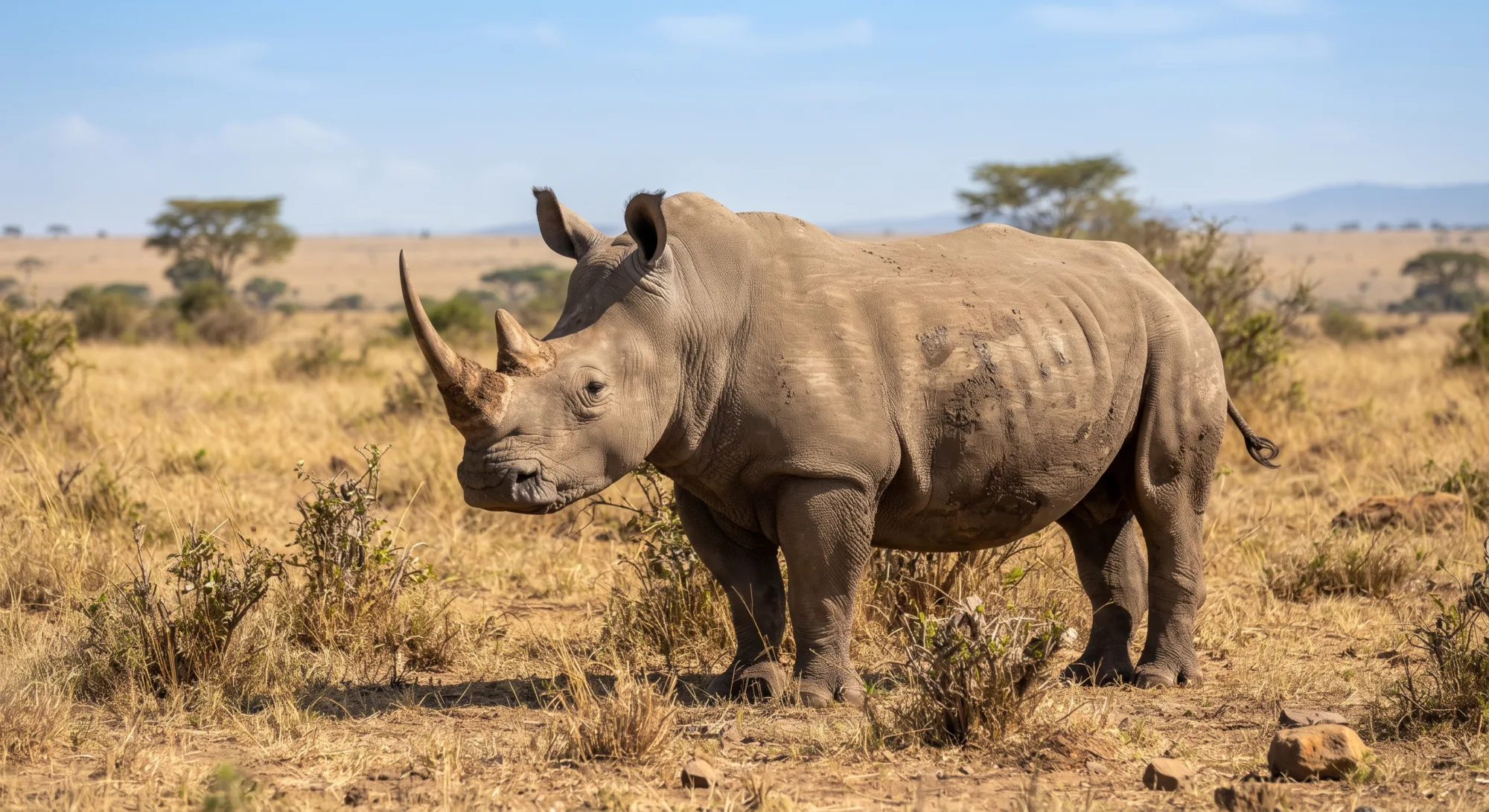
Northern white rhino
There are just two left, both female, living under guard in Kenya. The last male died in 2018. Scientists are trying to save the subspecies with IVF, using stored eggs and sperm and southern white rhinos as surrogate mothers.
Hainan gibbon
Probably the rarest ape on Earth. Only around 40 survive in a single patch of forest on Hainan Island, China, up from fewer than ten in the 1970s.
Javan rhino
Fewer than 100 remain, all in a single national park at the western tip of Java, Indonesia. One bad disease outbreak or tsunami could wipe them out.
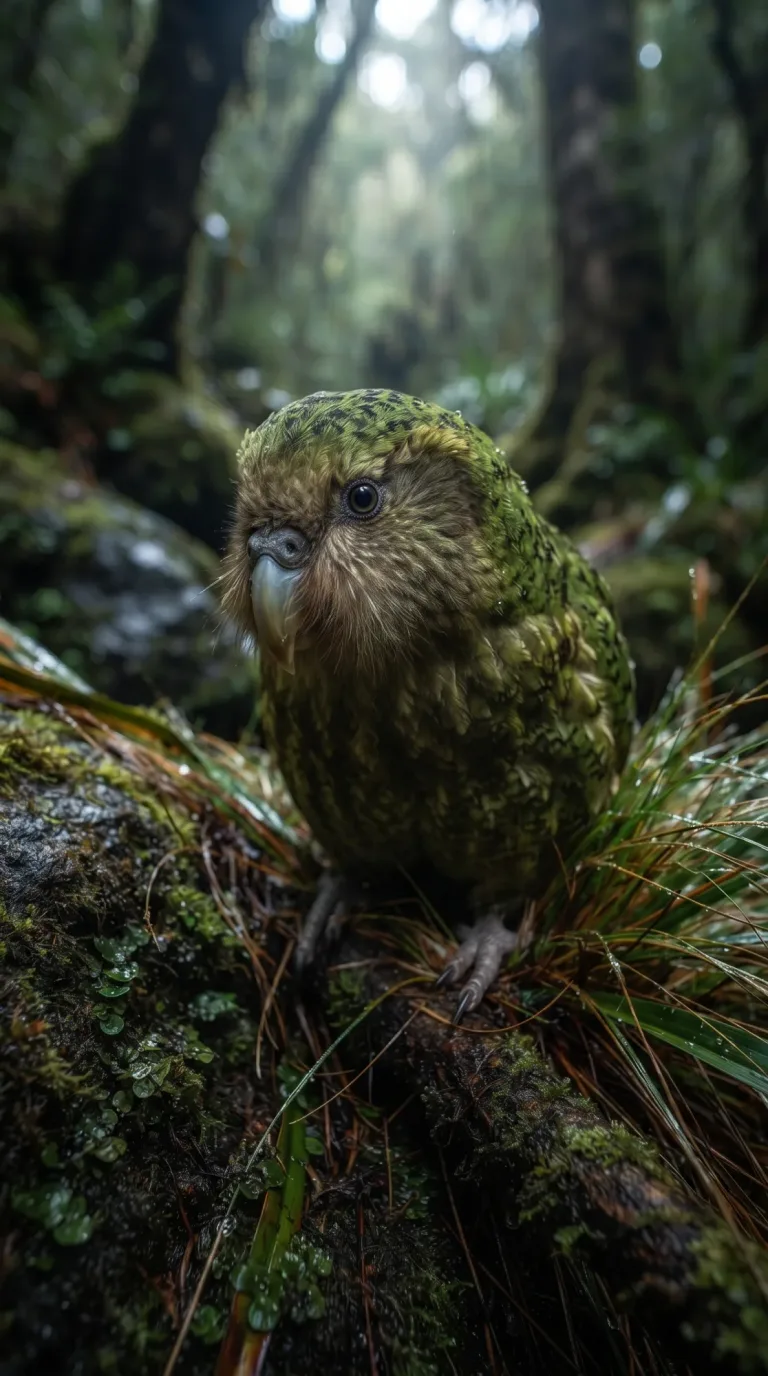
Kakapo
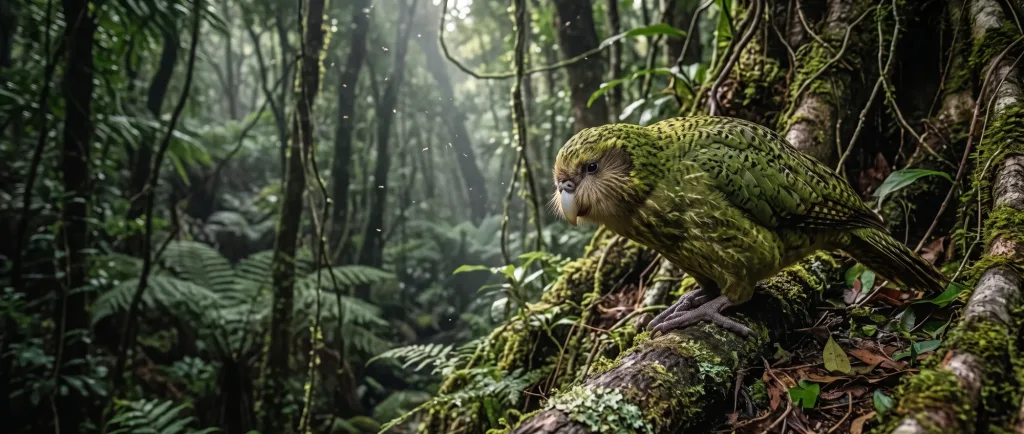
This flightless New Zealand parrot dropped to just 51 birds in 1995. Today there are about 325 kakapo, each with a name, living on predator-free islands. It’s one of conservation’s great comebacks, but still Critically Endangered.
Amur leopard
The rarest big cat. A few more than 100 Amur leopards live in the forests of the Russian Far East and north-eastern China. Their numbers have been slowly rising thanks to protected areas.
Strange but trueEvery single kakapo has a name and is checked on regularly by rangers. When the population was tiny, scientists even fitted the birds with trackers and weighed them on electronic scales at their feeding stations.
Saola
Called the “Asian unicorn”. This forest antelope from Laos and Vietnam was only discovered in 1992, and no scientist has ever seen one in the wild. Nobody knows how many are left.
Philippine eagle
One of the biggest eagles in the world, with a shaggy crest. Only around 400 pairs survive in the rainforests of the Philippines.
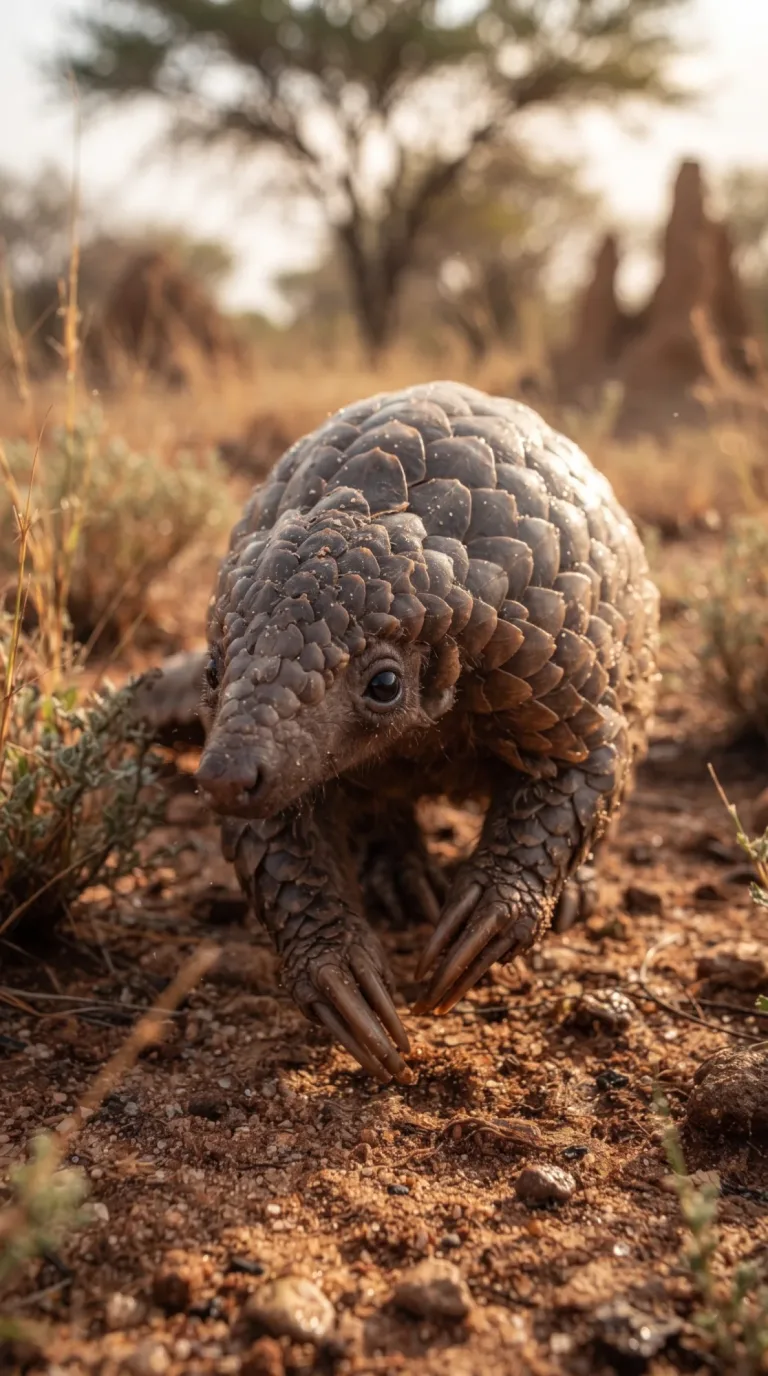
Pangolins
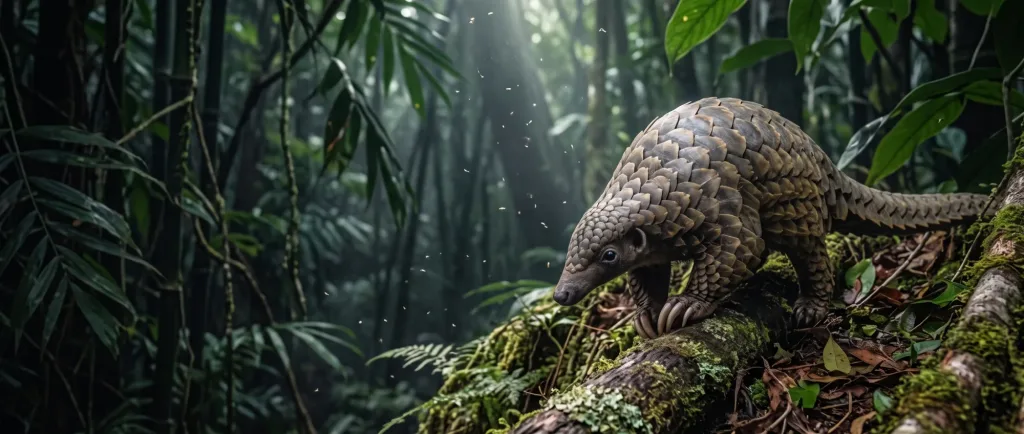
Not one species but eight, and all of them threatened. Pangolins are the most trafficked wild mammals in the world, and the Chinese, Sunda and Philippine pangolins are Critically Endangered.
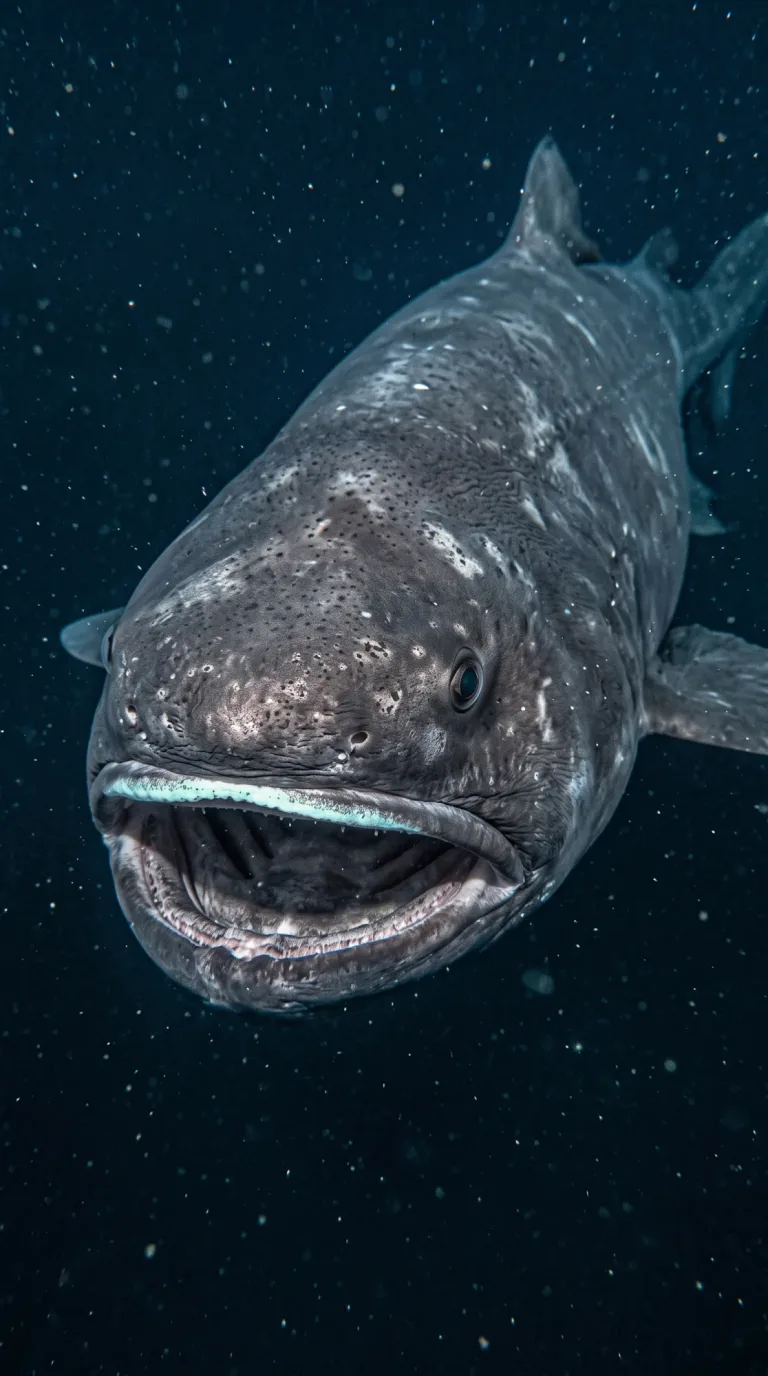
Megamouth shark
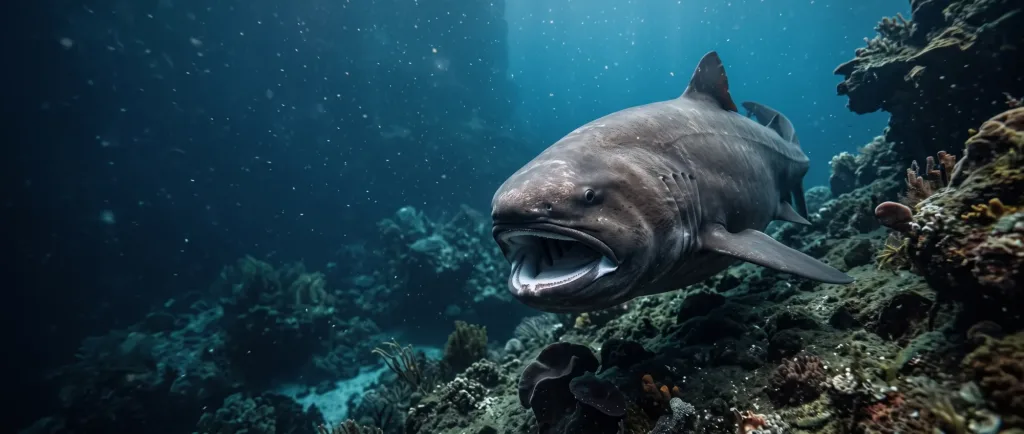
A shark longer than a car that nobody knew existed until 1976. Fewer than 300 megamouth sharks have ever been recorded. It may not be endangered, just very good at staying out of sight.
Attenborough’s long-beaked echidna
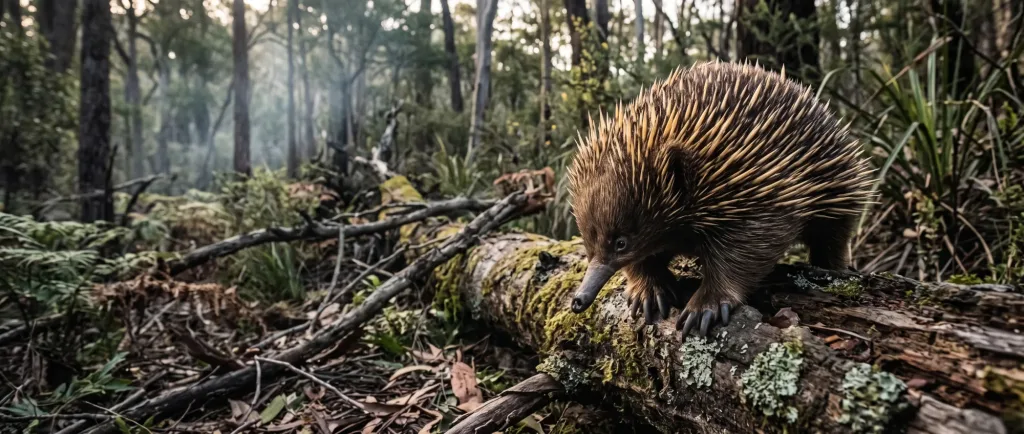
An egg-laying mammal from the Cyclops Mountains of New Guinea. It was known from a single specimen collected in 1961, until a camera trap photographed one in 2023. Its relative, the short-beaked echidna, is common in Australia.
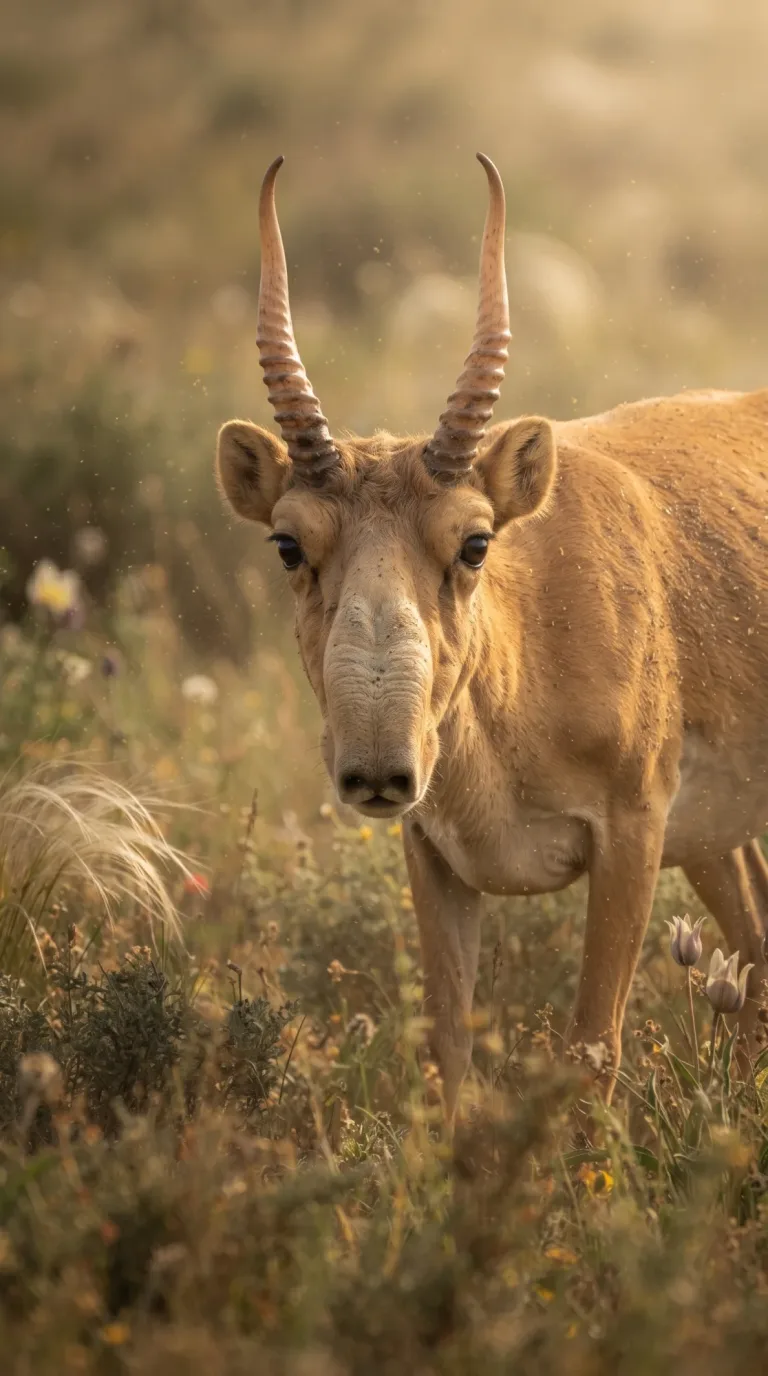
Saiga antelope
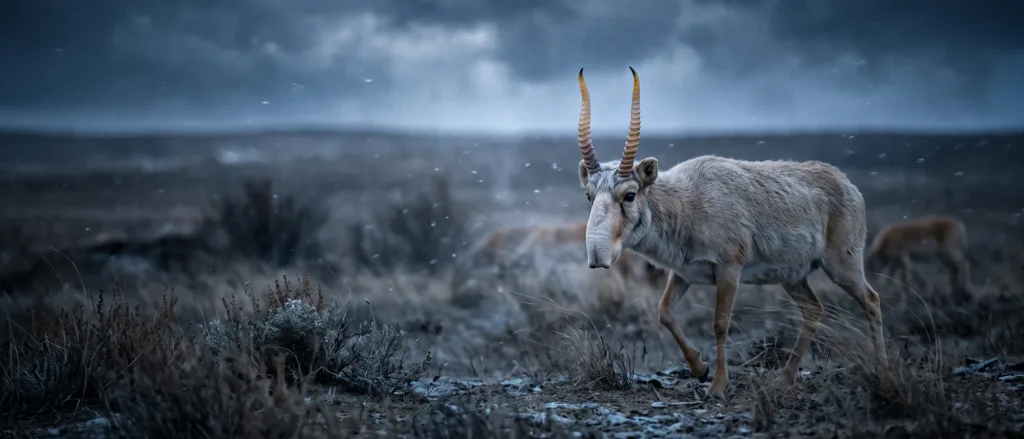
A rare good-news story. The saiga crashed to around 40,000 animals in the early 2000s. Thanks to protection in Kazakhstan, numbers have soared into the millions, and it’s no longer listed as Critically Endangered.
The rarest animals aren’t lost causes. The kakapo, Hainan gibbon and saiga all came back from the brink because people decided to try.
Why do animals become so rare?
- Habitat loss: forests cut down, rivers dammed, wetlands drained.
- Hunting and trade: for horns, scales, meat or pets.
- Introduced predators: cats, rats and stoats on islands that never had them.
- Bycatch: animals drowning in fishing nets meant for other species.
Read more in Are Pangolins Going Extinct?
Sources
Tell a friend