List 3 min read
Strange Animals of Australia: 12 Creatures You’ll Only Find Down Under
Mammals that lay eggs, a lizard that drinks through its skin and a wallaby that smiles for selfies. Meet 12 strange animals of Australia.
Australia has been an island for tens of millions of years, and its animals evolved in their own direction. The result is a continent full of creatures that seem to break the rules: mammals that lay eggs, lizards that drink with their skin and a bird that’s genuinely dangerous to meet. Here are 12 of the strangest animals of Australia.
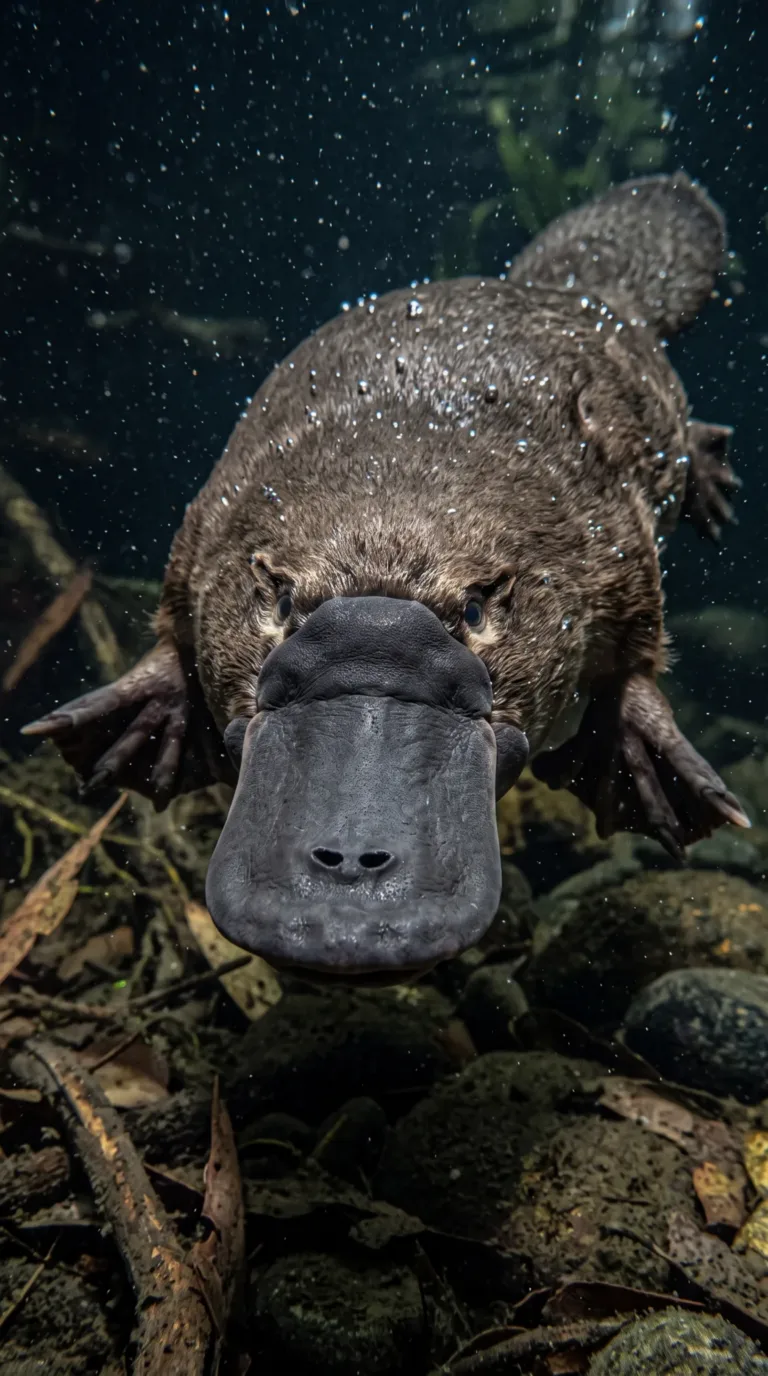
Platypus
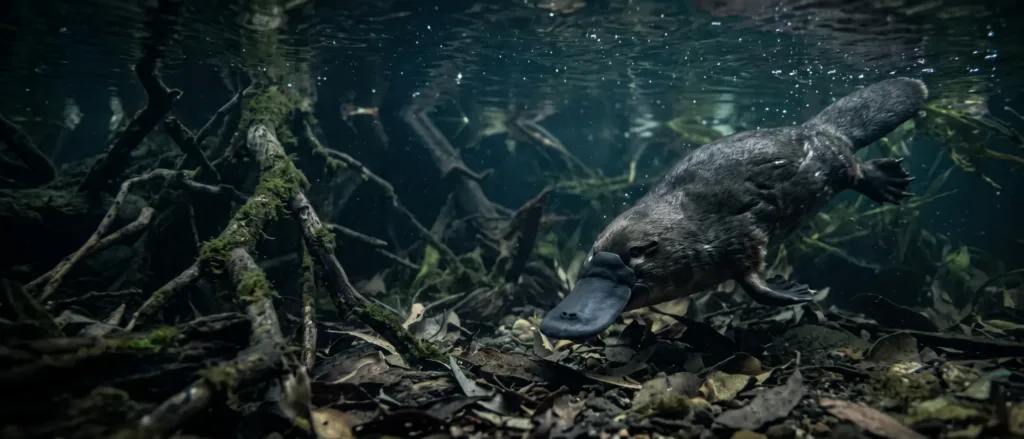
A venomous, egg-laying mammal with a duck’s bill, a beaver’s tail and electric sensors. When the first platypus specimen reached Britain, scientists thought it was a fake.
Echidna
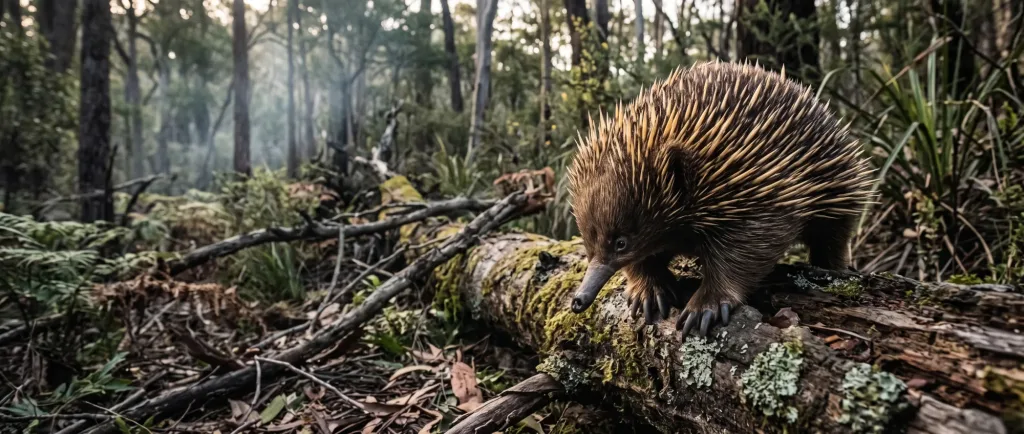
Spines like a hedgehog, a beak-like snout and a pouch. The echidna is the platypus’s closest living relative. It lays a single egg, which hatches in a pouch into a baby called a puggle.
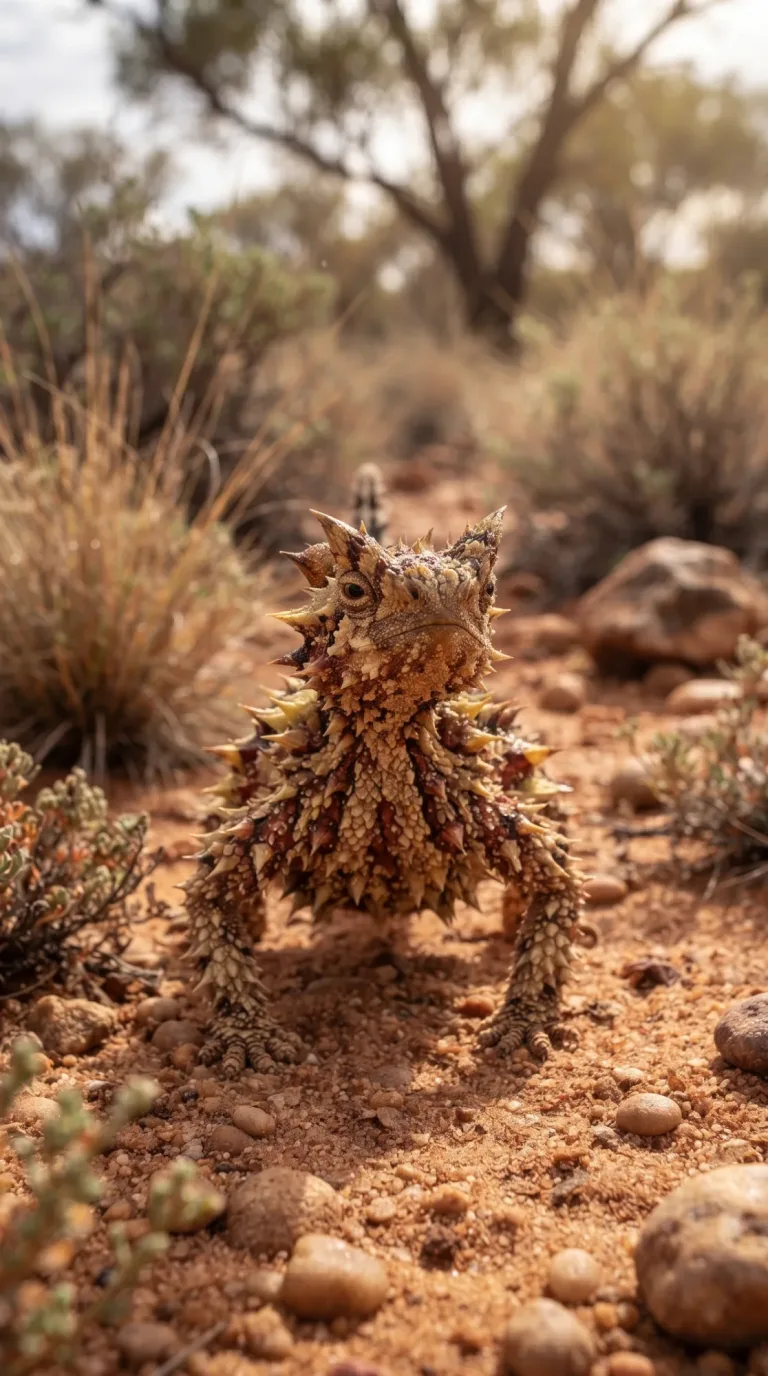
Thorny devil

A spiky desert lizard that drinks by soaking up water through grooves in its skin and has a fake head on its neck. The thorny devil eats nothing but ants.
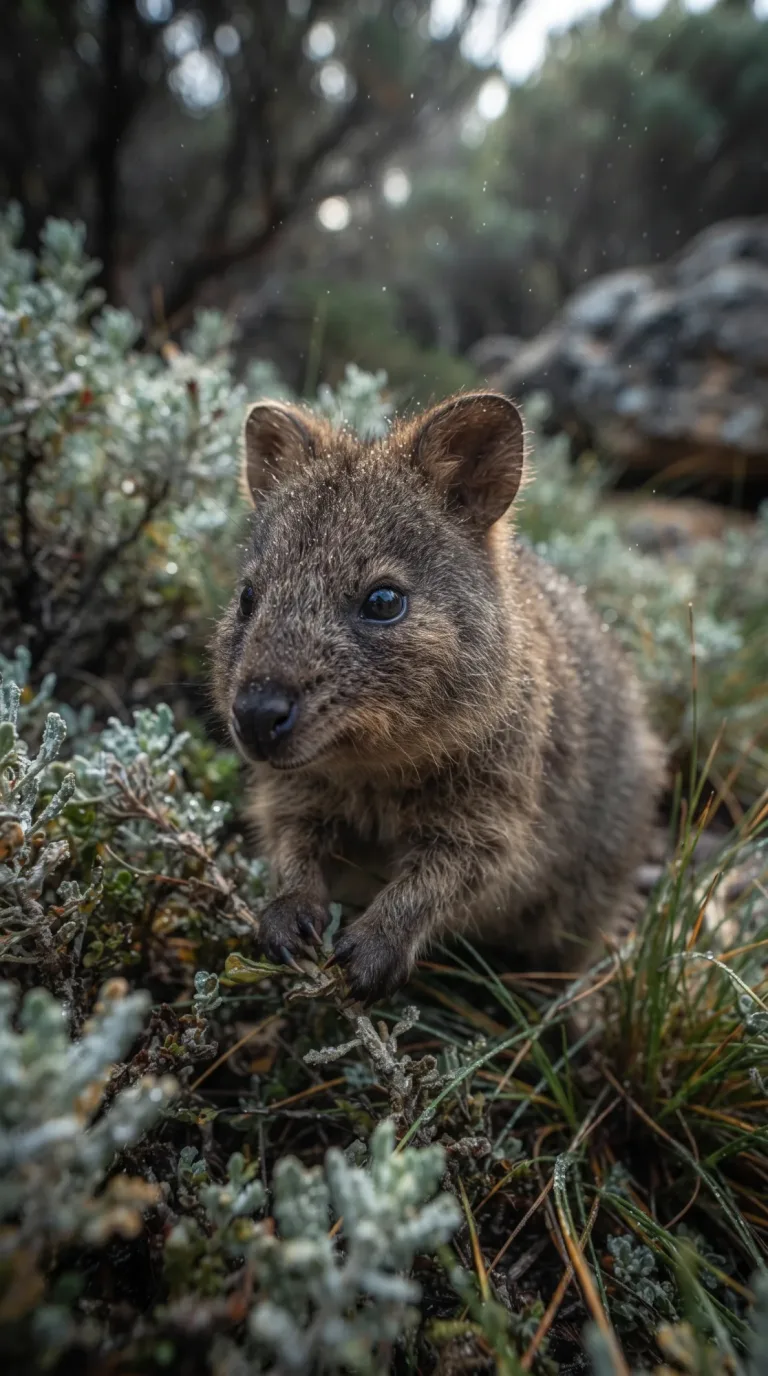
Quokka
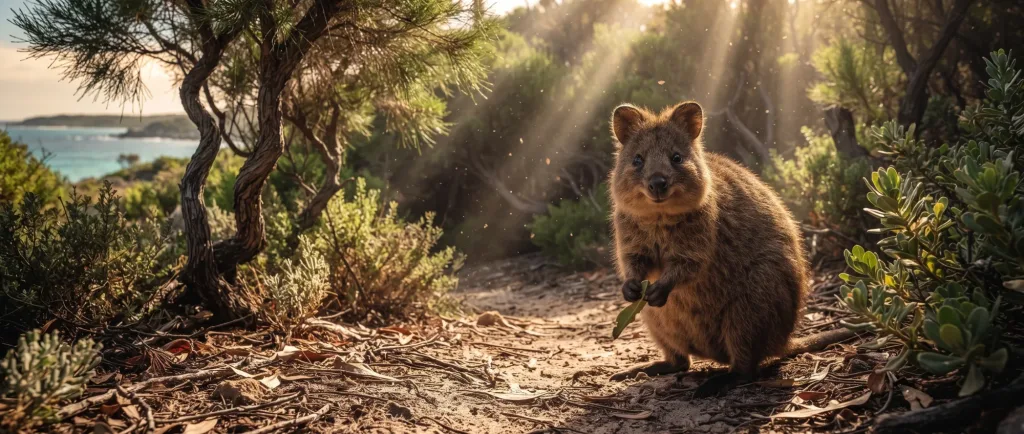
The quokka became internet-famous as the happiest animal in the world thanks to its permanent “smile”. It lives mostly on Rottnest Island near Perth.
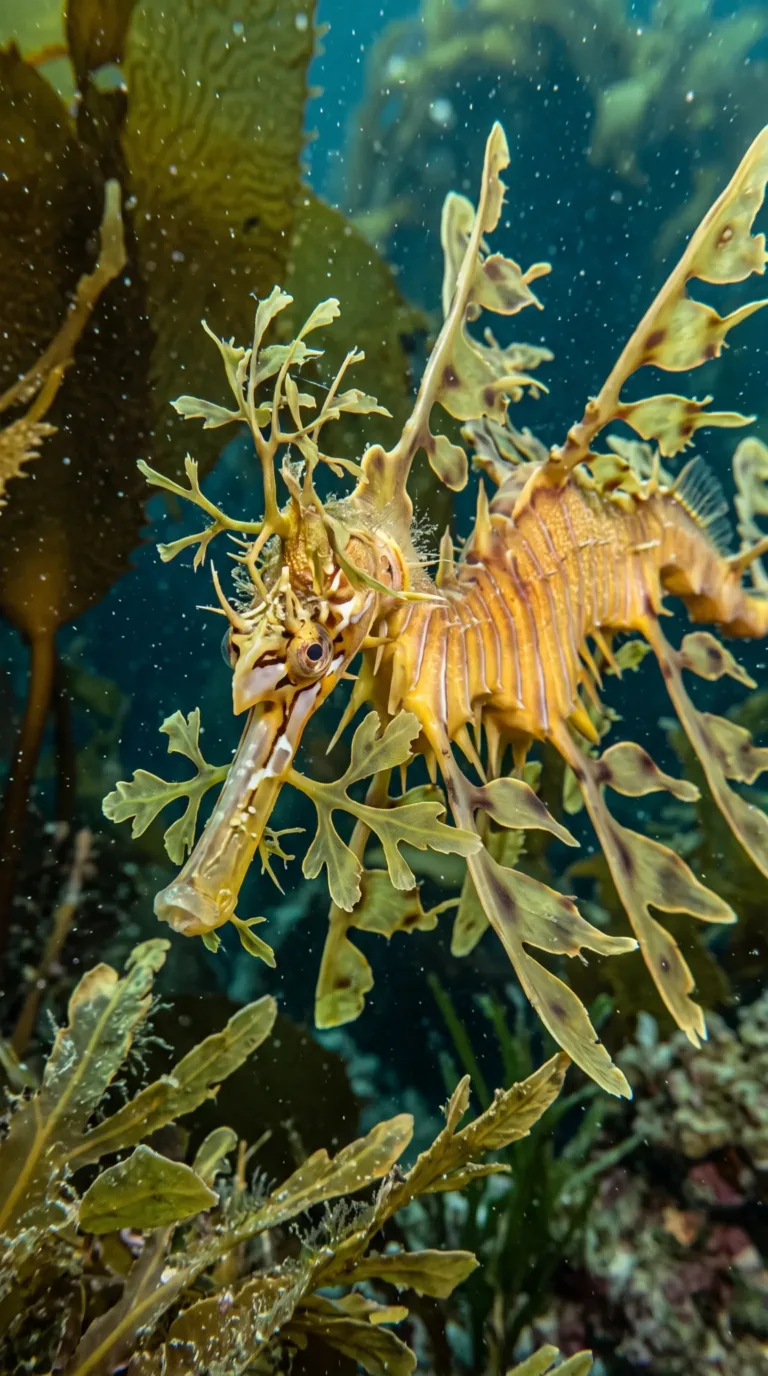
Leafy sea dragon
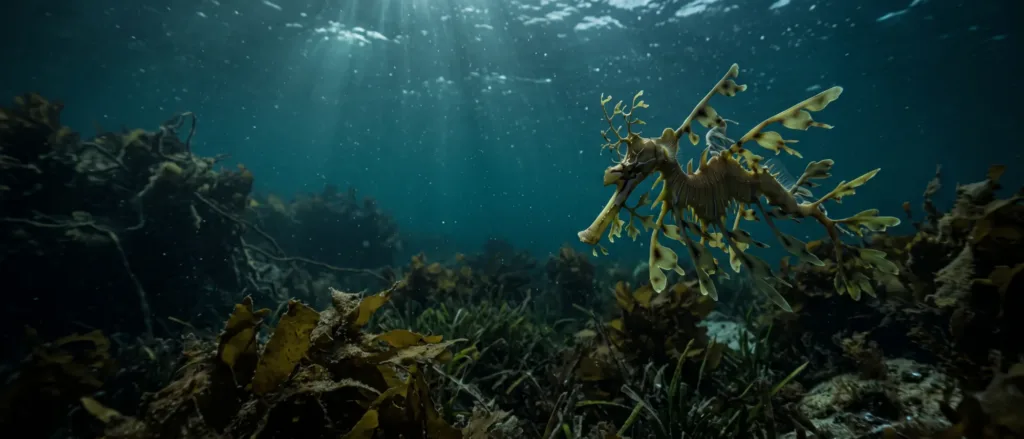
A fish disguised as seaweed. The leafy sea dragon drifts in kelp off southern Australia, and the male carries the eggs.
Southern cassowary
A huge, flightless bird with a bony helmet, a blue neck and a dagger-like claw on each foot. It lives in the rainforests of north-eastern Queensland and New Guinea.
Strange but trueWombats produce cube-shaped poo. The shape comes from how their intestines stretch, and wombats stack the cubes on rocks to mark their territory.
Wombat
A heavy, burrowing marsupial with a backwards-facing pouch, so it doesn’t fill with dirt while the mother digs. Its rump is made of tough cartilage and works like a shield, plugging the burrow entrance against predators.
Mary River turtle
A turtle with a green “mohawk” of algae growing on its head and the ability to breathe through its rear end, using special organs in its cloaca. It’s found only in one river in Queensland.
Bilby
A desert marsupial with huge rabbit ears and a long nose. In Australia, chocolate Easter bilbies are sold instead of Easter bunnies to raise money for its conservation.
Sugar glider
A tiny marsupial that glides from tree to tree on a furry membrane stretched between its front and back legs, a bit like a living paper aeroplane.
Blue-tongued skink
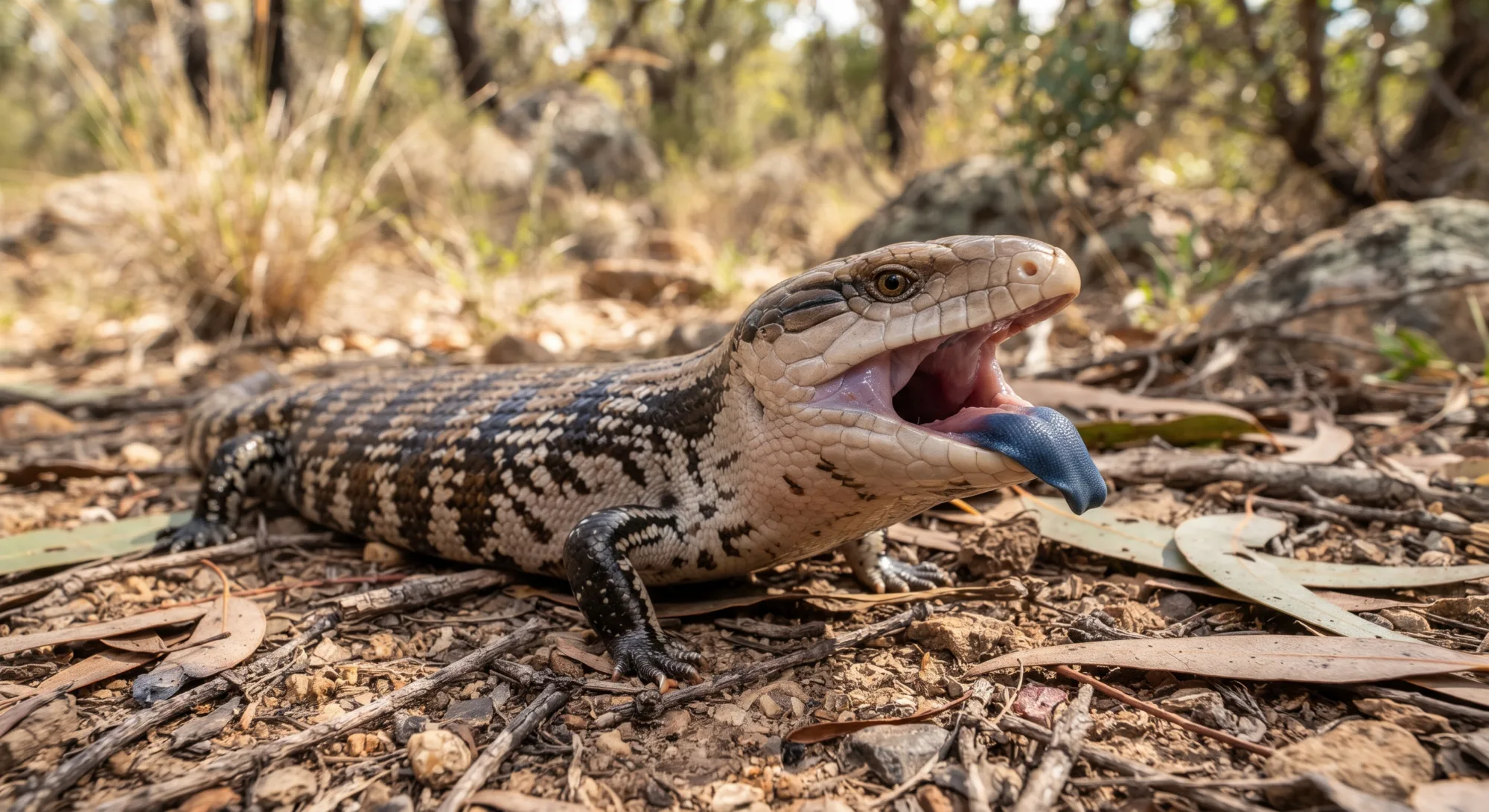
When threatened, this chunky lizard opens its mouth and flashes a bright blue tongue, which is often enough to scare off a predator.
Tasselled wobbegong
A carpet shark that looks like a shaggy rug lying on the reef. Fringes around its mouth break up its outline as it waits for fish to swim close.
Australia didn’t get the memo on how animals are supposed to work. It made its own rules instead.
Why are Australian animals so strange?
Australia split from the other continents long ago and drifted alone. Marsupials and monotremes, which lost out to other mammals elsewhere, thrived there instead. Deserts, rainforests and reefs pushed them into strange shapes and habits. See all of them in our Australia collection, and compare the egg-layers in Platypus vs. Echidna.
Sources
Tell a friend