Versus 3 min read
Platypus and Echidna: The Only Mammals That Lay Eggs
They lay eggs, sweat milk and have no nipples. The platypus and the echidna are the only egg-laying mammals on Earth, and they're stranger together than apart.
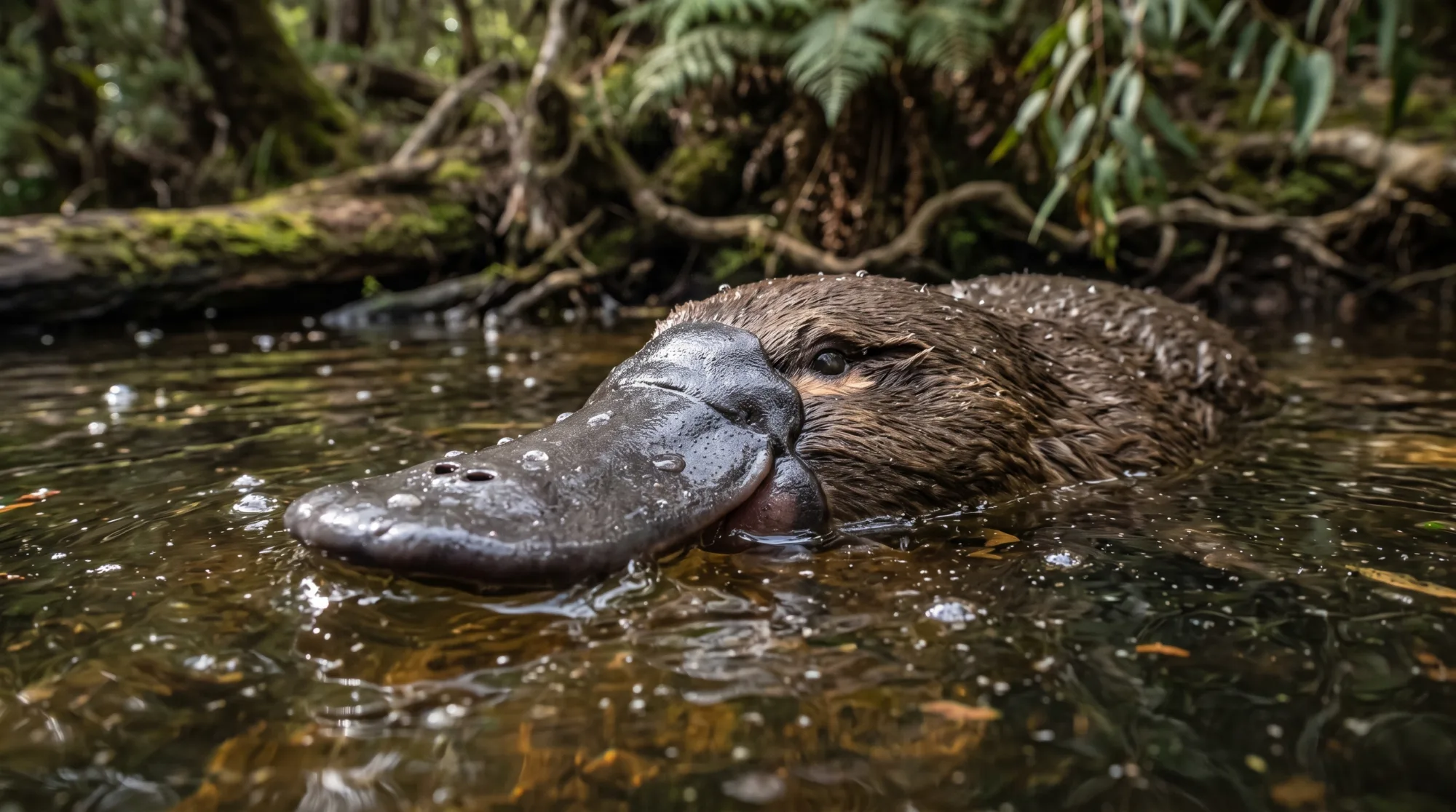
Mammals give birth to live babies. Everybody knows that. Everybody, that is, except the platypus and the echidna. These two Australian oddballs lay eggs, and they’re the only mammals on Earth that do. But they’re not twins. Let’s put them side by side.
Meet the monotremes
Egg-laying mammals are called monotremes. Today there are only five species left: the platypus and four kinds of echidna. They split off from all other mammals very early, which is why they still have features that feel half-reptile, half-mammal.
Head to head
| Platypus | Echidna | |
|---|---|---|
| Lives | Rivers and lakes of eastern Australia and Tasmania | Almost all of Australia and New Guinea |
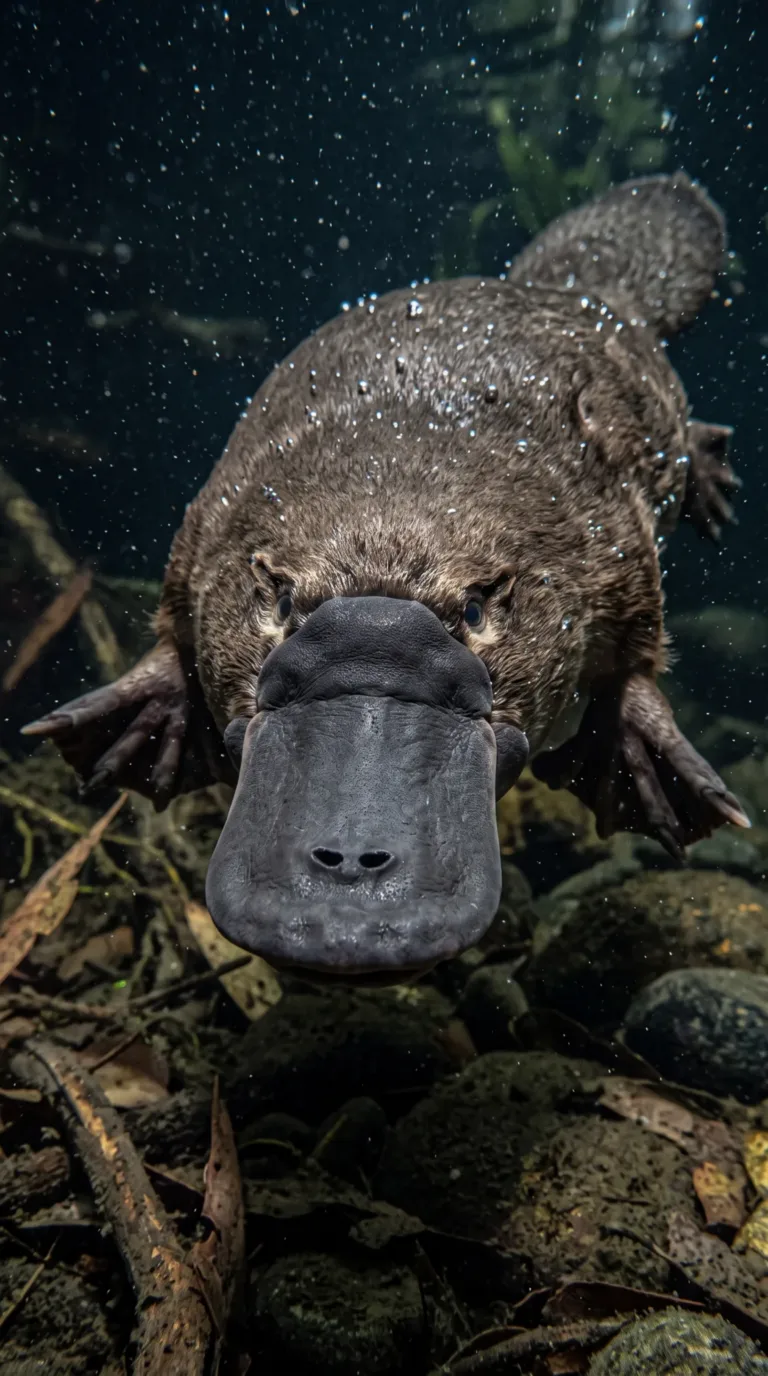
| Body | Duck-like bill, webbed feet, beaver-like tail | Spines, long snout, powerful claws |
| Eggs | Usually 2, in a burrow | 1, in a pouch on its belly |
| Food | Insect larvae, worms and shrimps from the riverbed | Ants, termites and worms |
| Special weapon | Venomous spurs on male’s hind legs | Spines and digging into the ground |
Eggs, but no nest of feathers
A female platypus digs a long burrow by a river, seals herself in and lays usually two small, leathery eggs. She curls around them to keep them warm. An echidna does it differently: she lays a single egg directly into a pouch on her belly and carries it around. In both cases, the eggs hatch after only about 10 days.
Milk, but no nipples
Like all mammals, monotremes feed their babies milk. But they don’t have nipples. Instead, the milk oozes out of patches of skin on the mother’s belly, and the babies lick it up. It’s like feeding from a milky sweat patch.
They lay eggs like reptiles and feed milk like mammals. Nature couldn’t decide, so it did both.
What’s a puggle?
A baby echidna is called a puggle, which might be the best word in all of biology. It hatches tiny, pink and blind, and lives in its mother’s pouch, drinking milk. When its spines start to grow, after about two months, mum has had enough of being poked from the inside, and moves it into a burrow.
Strange but trueBoth the platypus and the echidna glow under UV light. Their fur shines in shades of blue and green, though nobody is sure if this has any purpose.
Electric senses
The platypus hunts with its eyes, ears and nose closed. Its bill is packed with tens of thousands of sensors that pick up the tiny electric signals of moving prey in the mud. Echidnas have the same sixth sense in their snouts, but with far fewer sensors, which makes sense for an animal that mostly digs in dry soil.
Who wins the weirdness contest?
The platypus is weirder on paper: a venomous, electric, duck-billed, egg-laying mammal. But the echidna isn’t far behind, with its spines, its pouch and its puggles. One of the long-beaked echidna species was so rarely seen that it was only caught on camera for the first time in 2023, after being “lost” for over 60 years.
In the end, it’s a tie. Together, the platypus and the echidna are living proof that mammals didn’t always follow the rules. Meet more rule-breakers in our Weird Reproduction collection.
Tell a friend