Deep dive 7 min read
Deep-Sea Gigantism: Why Animals Grow Huge in the Deep (With Examples)
Squid heavier than a piano, woodlice the size of a cat and jellyfish with 10-metre arms. Why do so many animals grow huge in the deep sea? Here's what scientists think – with 10 giant examples.
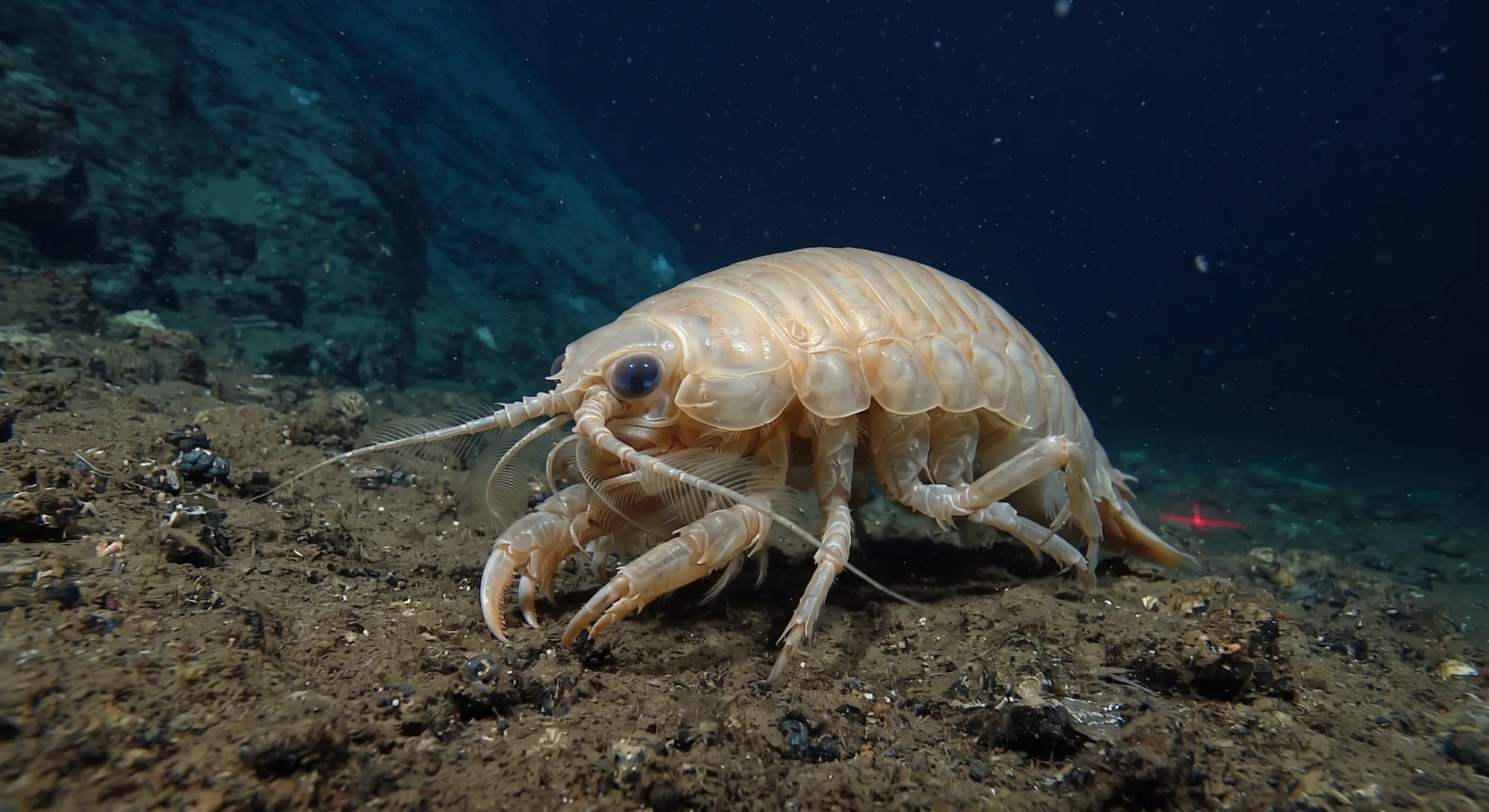
Down in the cold, dark deep sea, some animals didn’t get the memo about staying small. Woodlice grow to the size of a cat. Squid outweigh a grand piano. Sea spiders have legs as long as your arm. Scientists have a name for this: deep-sea gigantism, also called abyssal gigantism. Here’s what it is, why it probably happens – and the strangest giants it has produced.
What is deep-sea gigantism?
Deep-sea gigantism is the tendency of some animals in the deep ocean to grow much larger than their relatives in shallow water. It’s not one species doing something strange. It shows up again and again in very different groups – crustaceans, squid, octopuses, jellyfish, sea spiders and more.
“Deep-sea gigantism” and “abyssal gigantism” mean the same thing. “Abyssal” comes from the abyss, the dark ocean floor thousands of metres down, but the effect starts much higher – in water a few hundred metres deep, where sunlight fades out and the temperature drops.
Same body plan as the bug under your flowerpot. Fifty times bigger.
Why do deep-sea animals get so big?
There’s no single answer, and scientists still argue about it. The most likely explanation is that several things work together:
- It’s cold. Below a few hundred metres, the water sits at only a few degrees above freezing. In many animals, colder conditions lead to bigger cells, slower growth and a longer life – and a long, slow life gives you more time to grow large. It’s the same idea as Bergmann’s rule, which says that animals in colder places tend to be bigger.
- Cold water holds more oxygen. Bigger bodies need more oxygen. Cold water can dissolve more of it, and slow metabolism uses less, so a larger body becomes possible. One study of deep-sea amphipods linked their maximum size to the amount of oxygen in the water.
- Food is rare. There are no plants down there. Most food is “marine snow” and the odd dead whale sinking from above. A bigger animal can travel further between meals, store more energy and survive longer without eating. Bigger bodies also burn less energy per kilo, so they’re more efficient when meals are scarce.
- Fewer predators. In some deep-sea habitats there are simply fewer hunters around. One study of shelled animals called brachiopods found that predator attacks were almost ten times less common at the greatest depths – which leaves more time to grow.
Temperature can’t explain everything, though. Below roughly 2,000 ft (600 metres), the deep ocean stays at around 4 °C, yet in many groups body size keeps changing with depth. That’s why most researchers think food and lifestyle matter at least as much as cold.
Strange but trueA giant isopod at an aquarium in Japan refused food for more than five years. In a world where dinner might arrive once in a very long while, being big and patient is a superpower.
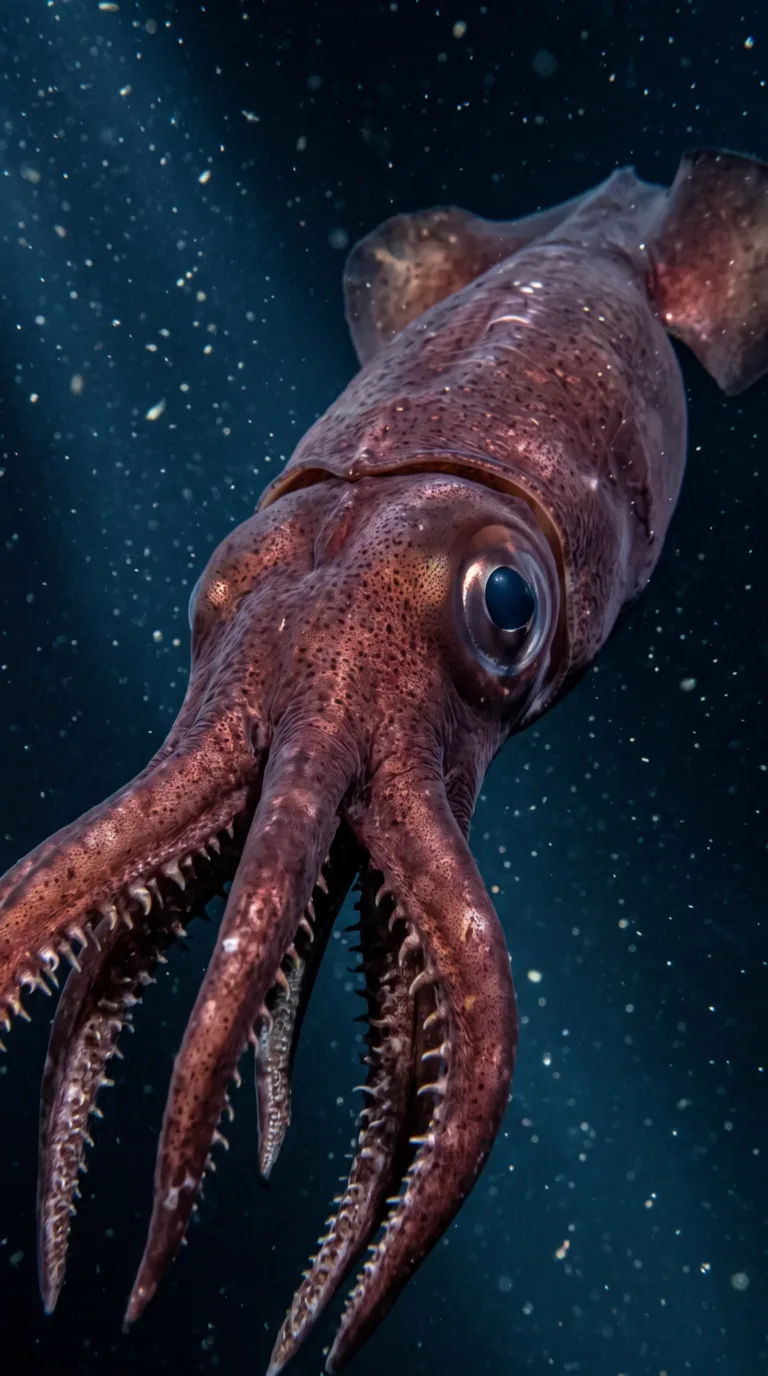
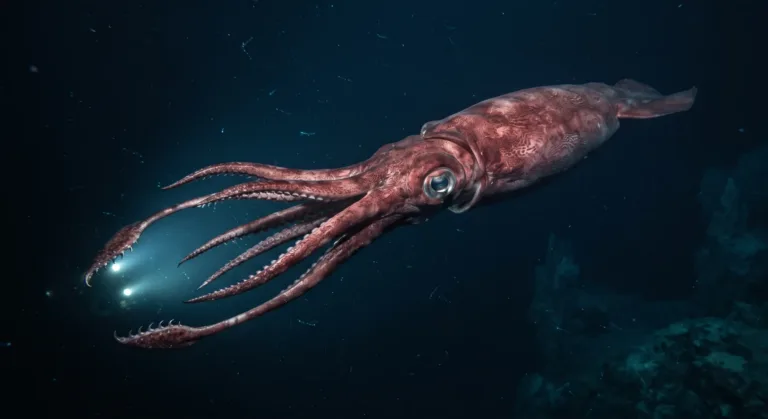
Colossal squid
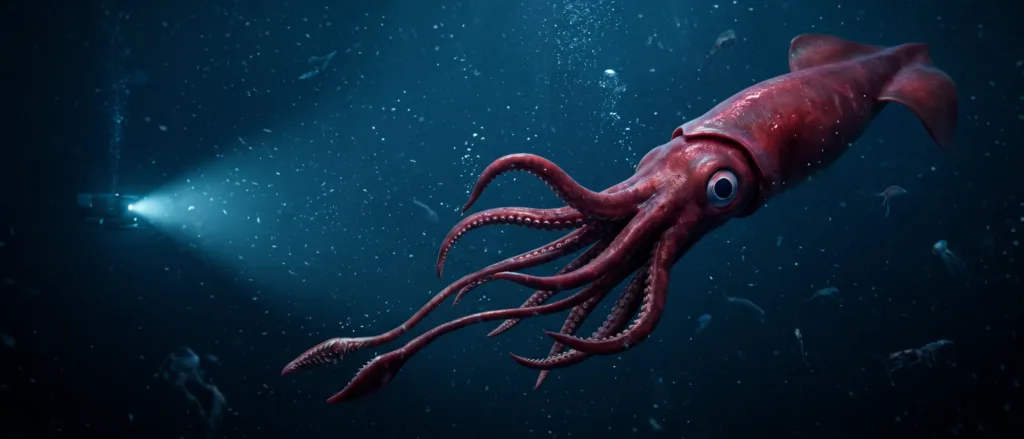
The undisputed heavyweight. The colossal squid lives in the freezing Southern Ocean around Antarctica and is the heaviest invertebrate on Earth – the record specimen weighed about 1,100 lb (495 kg). Its eyes, about 11 in (27 cm) across, are the largest in the animal kingdom. Its smaller cousin, the giant squid, can be longer – around 39 ft (12 metres) including tentacles – but it’s much lighter. See who wins in Colossal Squid vs. Giant Squid.
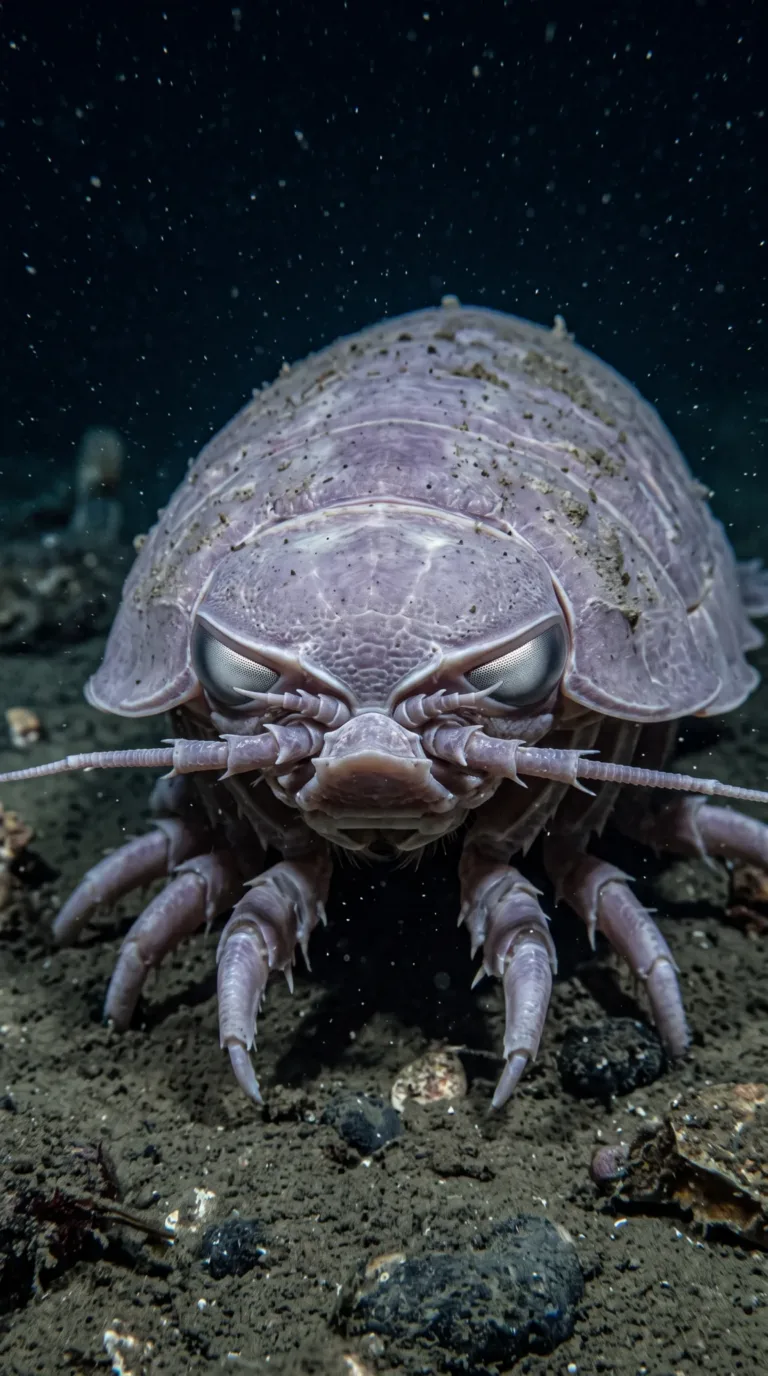
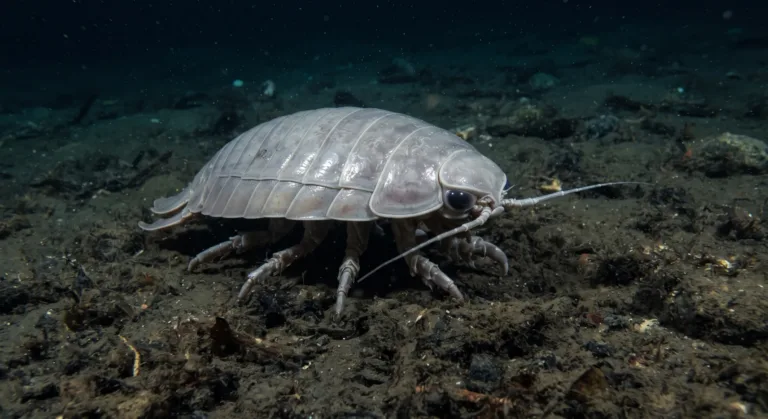
Giant isopod
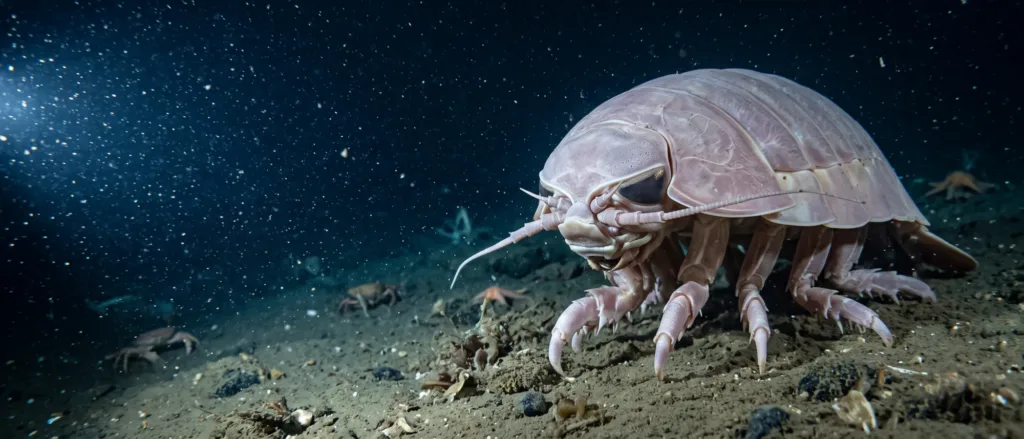
The poster child of deep-sea gigantism. The giant isopod is a relative of the garden woodlouse, which is about 0.4 in (1 cm) long. Down at several hundred metres, it usually reaches 7.5 to 15 in (19 to 37 cm), and the biggest ones get close to 20 in (50 cm). Find out exactly how big giant isopods get.
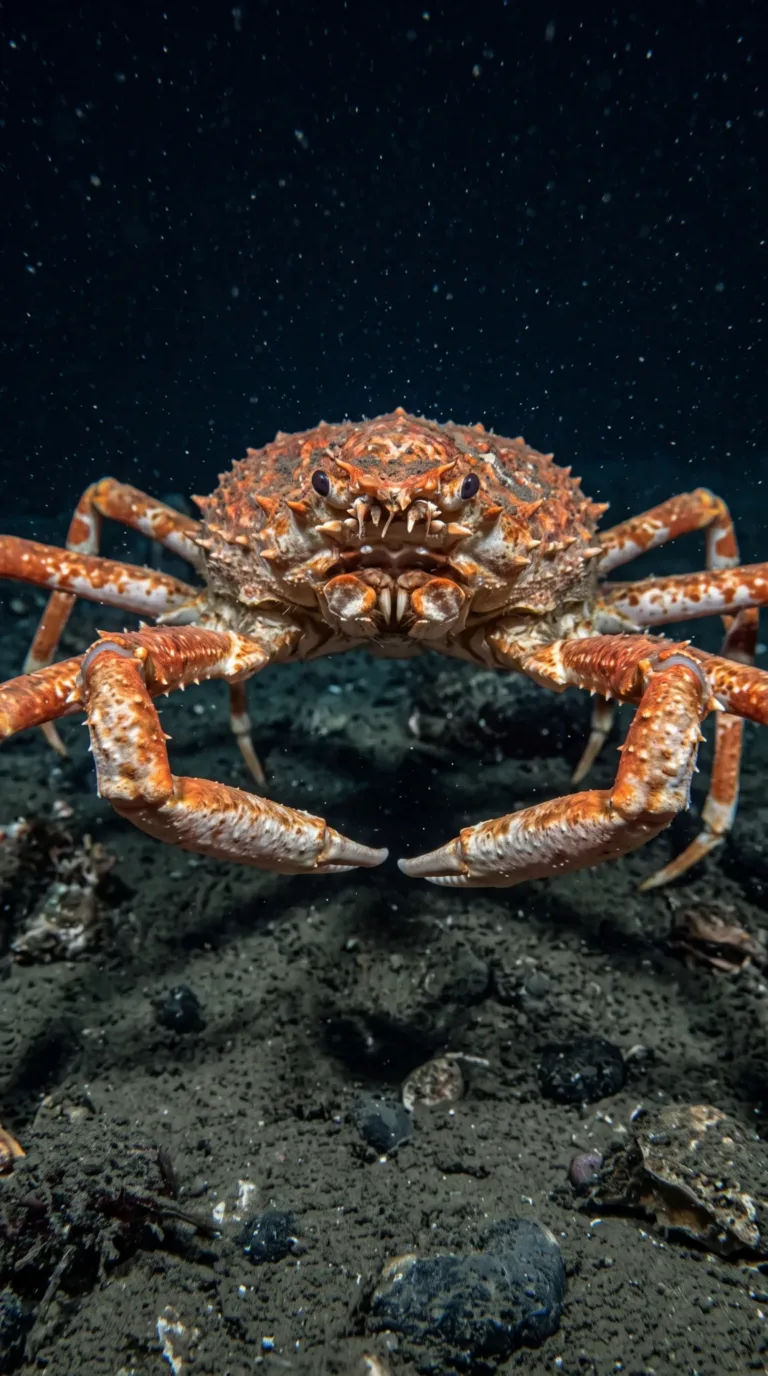
Japanese spider crab
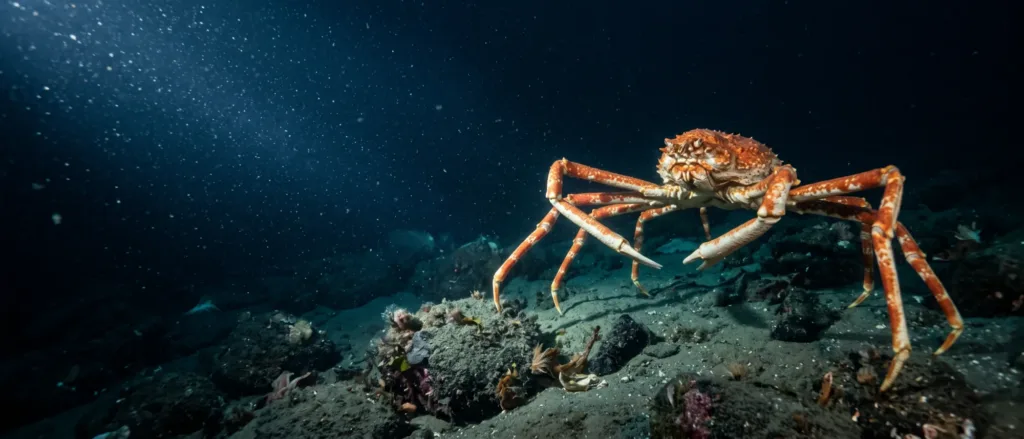
With a leg span of up to 12 ft (3.7 metres), the Japanese spider crab has the longest legs of any arthropod alive. It lives off the coast of Japan, mostly between 160 and 2,000 ft (50 and 600 metres) down – not the deepest giant on this list, but one of the most impressive. More in Japanese Spider Crab Size.
Giant oarfish
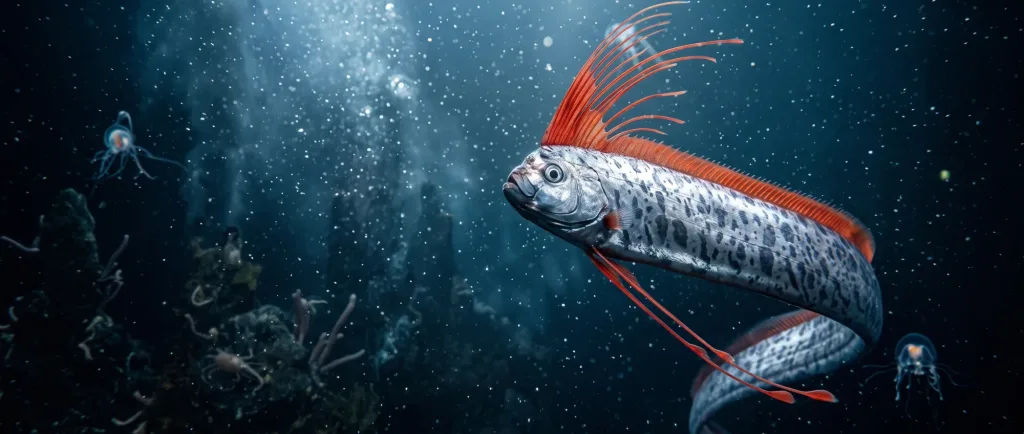
The longest bony fish in the world. The giant oarfish has been reliably measured at about 26 ft (8 metres), a silver ribbon with a red crest that drifts through the open ocean, mostly a few hundred metres down. When one washes up on a beach, it’s easy to see where sea serpent legends came from.
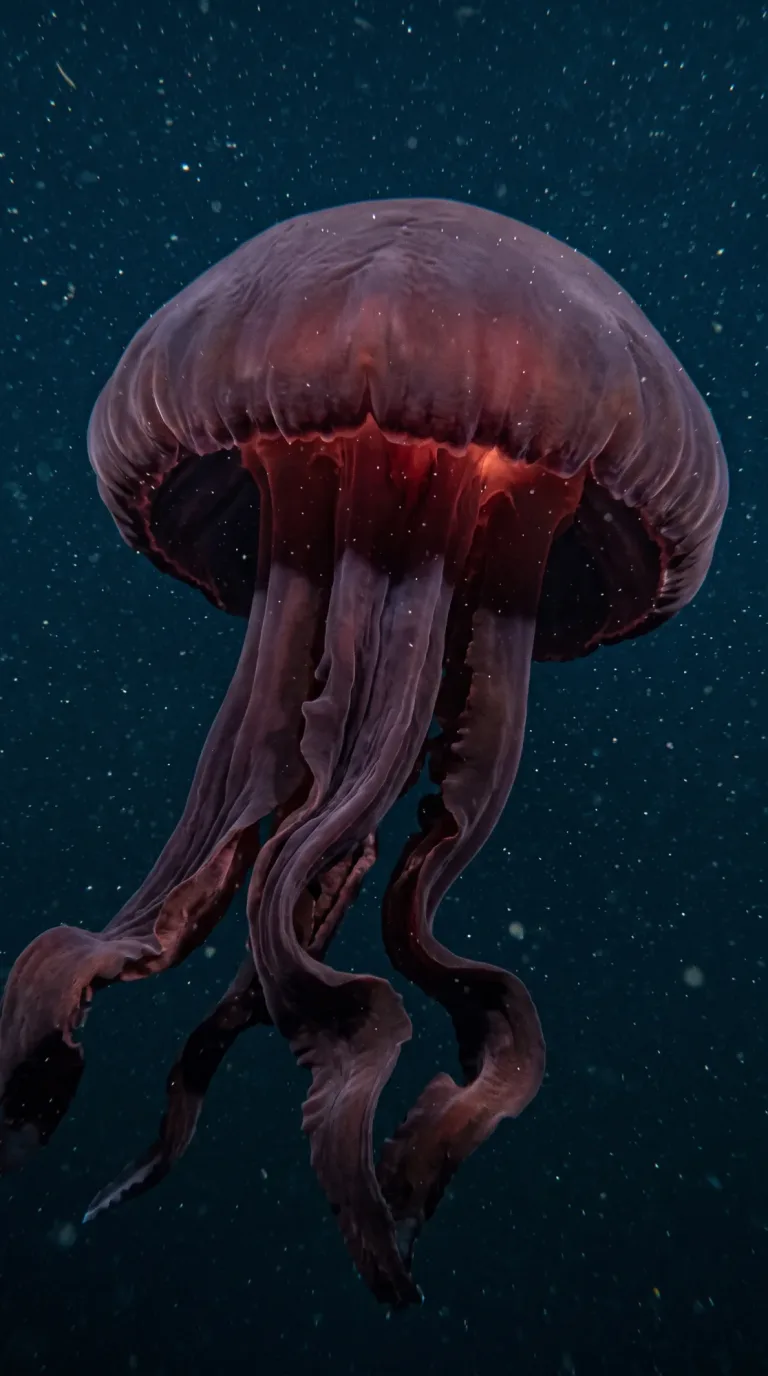
Giant phantom jelly
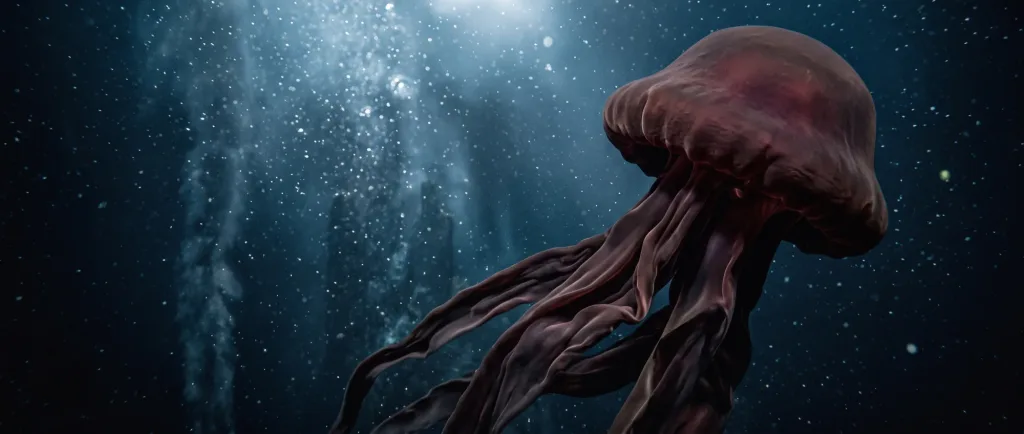
A deep-sea jellyfish with a bell more than a metre wide and four ribbon-like arms up to 33 ft (10 metres) long. The giant phantom jelly is so rarely seen that scientists have only met it around a hundred times, mostly through cameras on deep-sea robots.
Giant siphonophore
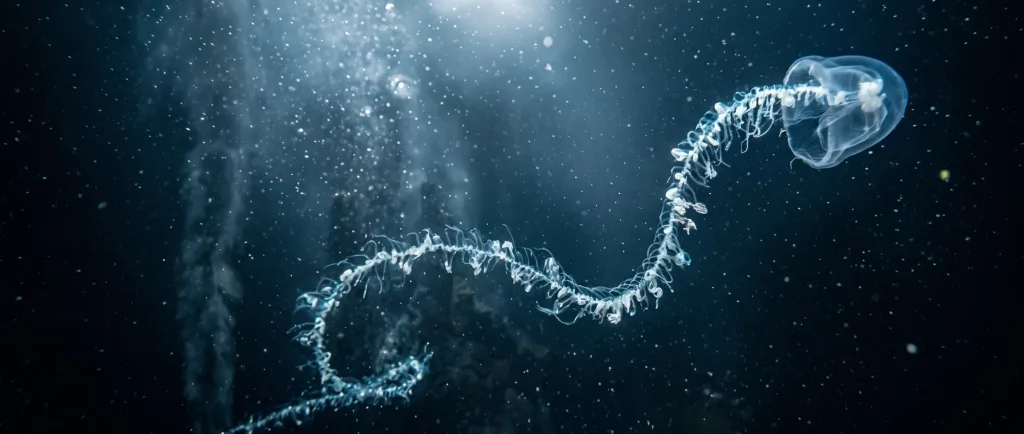
Not a single animal but a colony of thousands of tiny clones working as one. The giant siphonophore can stretch to around 130 ft (40 metres) – longer than a blue whale – while being only about as thick as a broomstick.
Seven-arm octopus
One of the biggest octopuses known. The largest specimen, caught off New Zealand in 2002, was 9 ft 6 in (2.9 metres) long and weighed 130 lb (61 kg) – and it was missing parts of its arms. Researchers estimated it would have been around 13 ft (4 metres) long when complete. (It does have eight arms, by the way. In males, one is hidden in a pouch under the eye.)
Supergiant amphipod
Most amphipods – the little sand hoppers you find on beaches – are a centimetre or two long. Alicella gigantea, which lives on the seafloor thousands of metres down, reaches up to 13 in (34 cm). That’s the biggest amphipod on the planet, and the reason scientists call it the “supergiant”.
Giant sea spider
Sea spiders aren’t real spiders, and most are tiny. But in the deep sea, members of the genus Colossendeis grow leg spans of 12 to 20 in (30 to 50 cm), and the biggest one ever recorded measured 29 in (74 cm) across. Their bodies are so thin that some of their organs are packed into their legs.
Giant tube worm
A bonus giant – and an exception that proves the rule. Giant tube worms grow to about 6.6–9.8 ft (2–3 metres) around hydrothermal vents on the deep seafloor. Unlike most deep-sea giants, they don’t live on scraps: bacteria inside their bodies turn chemicals from the vents into food. With an all-you-can-eat buffet, they grow fast instead of slow.
Is everything in the deep sea huge?
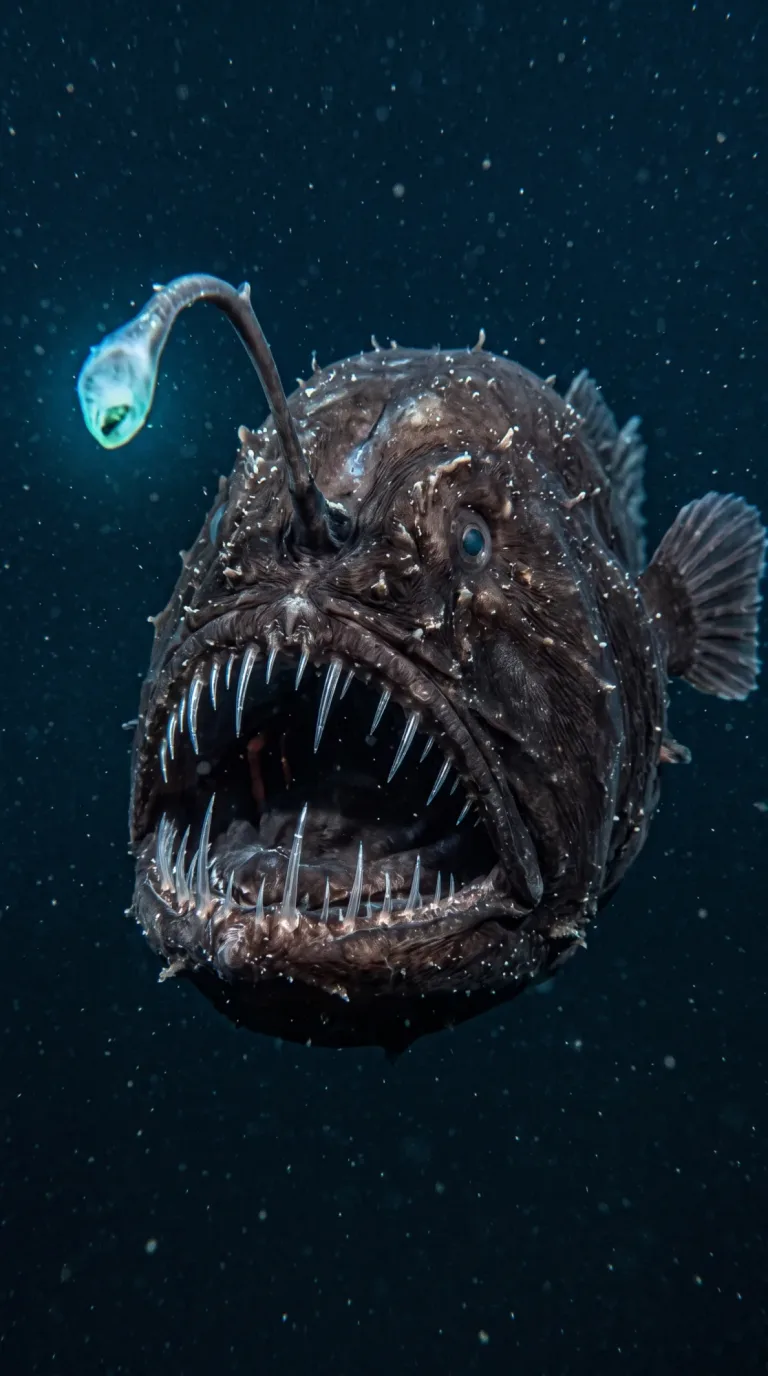
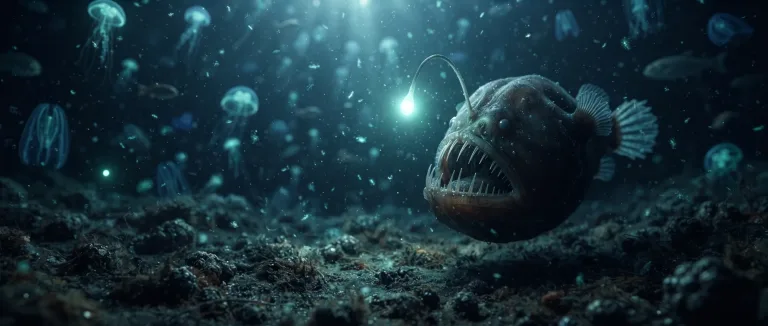
No – and that’s one of the most interesting parts of the story. Deep-sea gigantism is a tendency, not a law. Plenty of deep-sea animals are small, and in some groups species actually get smaller the deeper they live, because there just isn’t enough food to build a big body. The anglerfish, for example, is famous for its tiny males. Most of the giants above are in groups like crustaceans and squid, where the cold, slow, food-poor life seems to reward size.
Want to meet more of the strange creatures down there? Dive into our list of the 20 strangest deep-sea creatures or explore all our deep-sea animals.
Deep-sea gigantism FAQ
What is deep-sea gigantism in simple words?
It’s the pattern that some deep-ocean animals grow much bigger than their relatives in shallow water – like the giant isopod compared with a garden woodlouse.
Is abyssal gigantism the same as deep-sea gigantism?
Yes. Both names describe the same thing. “Abyssal” refers to the deep ocean floor, but the effect is seen from a few hundred metres down.
What causes deep-sea gigantism?
Probably a mix of cold water, more dissolved oxygen, scarce food and fewer predators. Big bodies live longer, store more energy and travel further between rare meals.
What is the biggest deep-sea animal?
The heaviest deep-sea invertebrate is the colossal squid, at about 1,100 lb (495 kg). The longest is the giant siphonophore, a colony that can stretch to around 130 ft (40 metres).
Sources
- Deep-sea gigantism – Wikipedia (overview of causes and examples, with links to the original studies)
- MBARI on the giant phantom jelly (via CORAL Magazine)
- Museums Victoria – giant sea spiders (Colossendeis)
- Guinness World Records – largest amphipod
- Seven-arm octopus – Wikipedia
Tell a friend