Deep dive 4 min read
Can You Eat a Giant Isopod? (Yes – Here’s What It Tastes Like)
A woodlouse the size of a cat doesn't sound like dinner – but in Taiwan and Vietnam, people really eat giant isopods. What do they taste like, and is it actually a good idea?
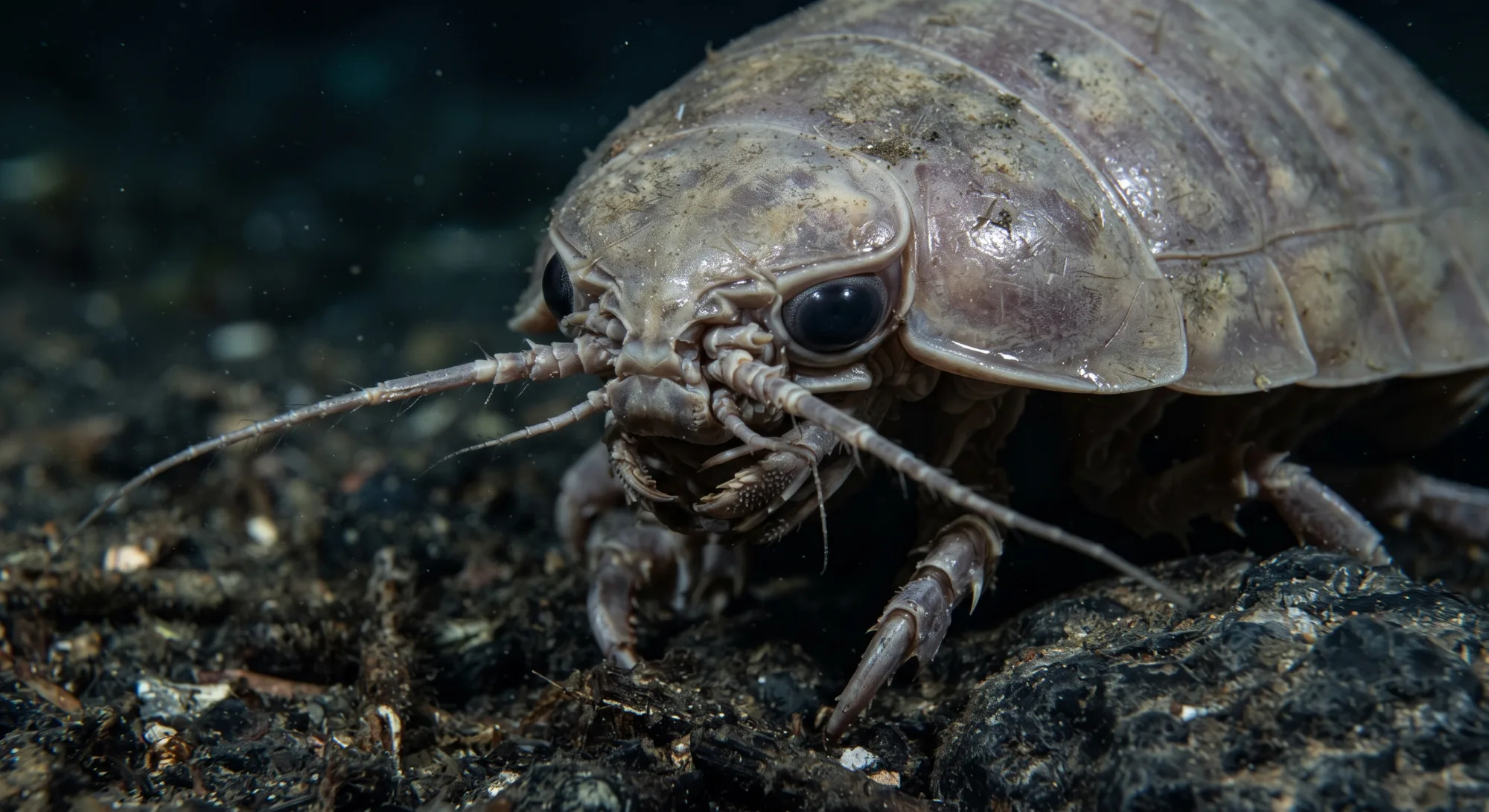
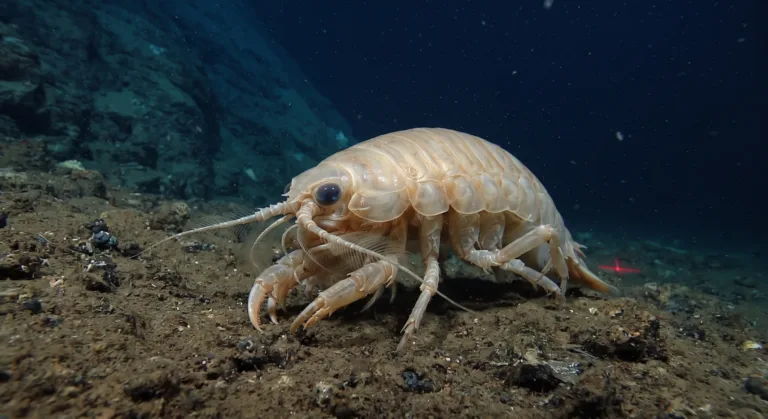
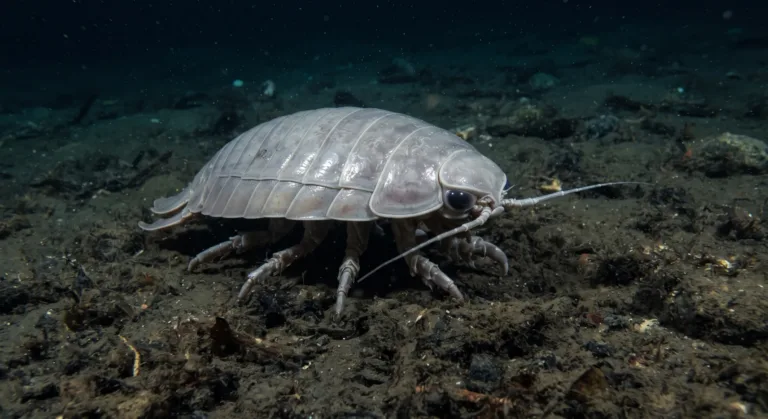
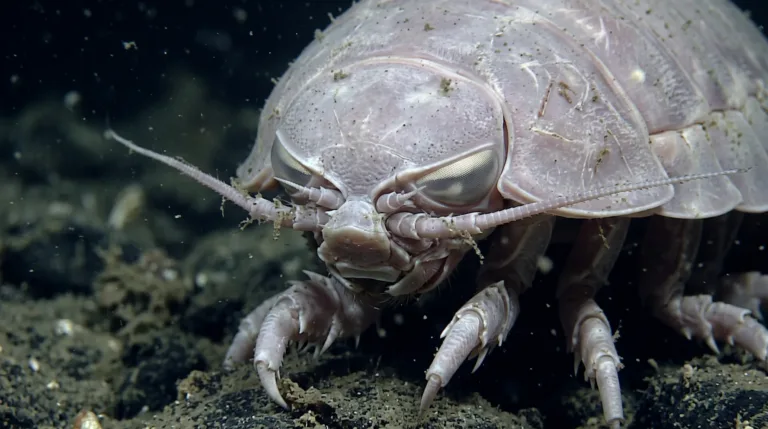
The giant isopod looks like a garden woodlouse that ate a growth potion. It lives hundreds of metres down, scavenges dead whales and can go years without a meal. So naturally, someone asked: can you eat it? The answer is yes – and some people pay good money to do it.
Can you eat a giant isopod?
Yes. Giant isopods are crustaceans, just like crabs, shrimp and lobsters, and their meat is edible. They’re not an everyday food anywhere, but in parts of East Asia they’re eaten as a novelty or even a delicacy.
What does a giant isopod taste like?
People who’ve tried it usually describe the taste as a mix of crab and lobster. The meat is dense, a little chewy and slightly sweet. In one famous Taiwanese dish, the cooks also served the yellowish glands inside the body, which diners compared to sweet crab paste – think of the “crab butter” some people love and others avoid.
It looks like a bug. It tastes like lobster. Your brain will have a hard time with this one.
Where do people eat giant isopods?
- Taiwan: In 2023, a ramen restaurant in Taipei made headlines by serving a whole giant isopod on top of a bowl of noodles in chicken and fish broth. The isopod was steamed for about 10 minutes before serving, and the bowl cost around 1,480 Taiwan dollars (about US$48). More than a hundred people signed up for the waiting list. According to Taiwanese media, isopods have been eaten in parts of Taiwan since the 1970s.
- Vietnam: Several giant isopod species are sold at seafood markets and treated as a delicacy. In fact, a brand-new species, Bathynomus vaderi, was described in 2025 from specimens that scientists bought at a fish market in the city of Quy Nhơn. Read more about the Darth Vader isopod and other giant species.
Is it safe to eat a giant isopod?
Probably, in small amounts – but experts aren’t thrilled about it. When the Taiwanese ramen went viral, an isopod researcher warned that animals living on the seafloor can build up heavy metals and other toxins in their bodies. So far there are no reports of anyone getting sick from eating them, but nobody has studied it closely either. If you ever get the chance, it’s a once-in-a-lifetime curiosity, not something for your weekly menu.
Strange but trueA giant isopod can go years without food – one at a Japanese aquarium refused to eat for more than five years. Now that’s a creature that would never order ramen.
Should we eat them?
That’s the bigger question. Giant isopods aren’t farmed – they’re caught in deep-sea trawl nets, often by accident while fishermen target something else. Huge numbers end up as bycatch: one count from the Gulf of Mexico recorded more than 55,000 giant isopods caught during just 14 fishing trips in 2001. Many of them don’t survive being thrown back. Deep-sea animals like these grow slowly and live long lives, so they can’t bounce back quickly if too many are taken.
Some scientists also criticised the viral ramen for encouraging bottom trawling, which scrapes up whole seafloor habitats. In short: fascinating to know you can eat one – but the giant isopod is much more interesting alive, cleaning up the ocean floor.
Are giant isopods dangerous to humans?
Not at all. They live far too deep to meet swimmers, they’re slow scavengers and there’s no record of one ever attacking a person. The only real “danger” is to your appetite when you first see one on a plate. Find out where giant isopods live and how big they really get.
Sources
Tell a friend