List 6 min read
Animals That Look Fake But Are Real: 25 Creatures You Won’t Believe Exist
A moth with a poodle perm, a frog you can see through and a fish with bright red lipstick. These 25 animals look photoshopped, but every single one is real.
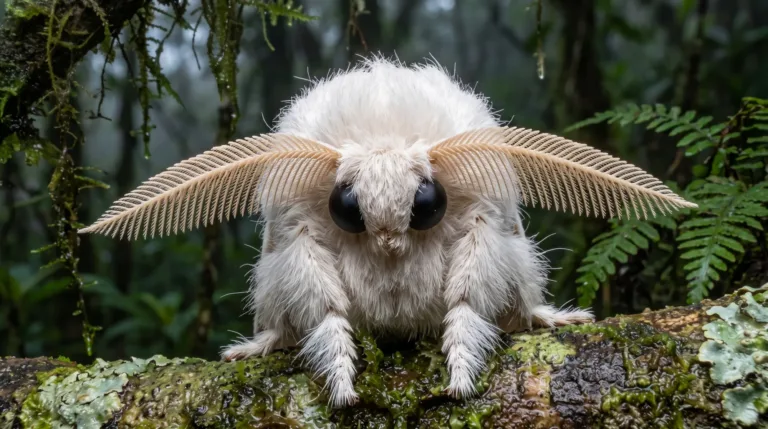
Scroll through social media long enough and you’ll see an animal that makes you think: “No way. That’s fake.” Sometimes you’re right. But often, nature has simply outdone Photoshop. Here are 25 animals that look made up, edited or AI-generated, yet are 100% real.
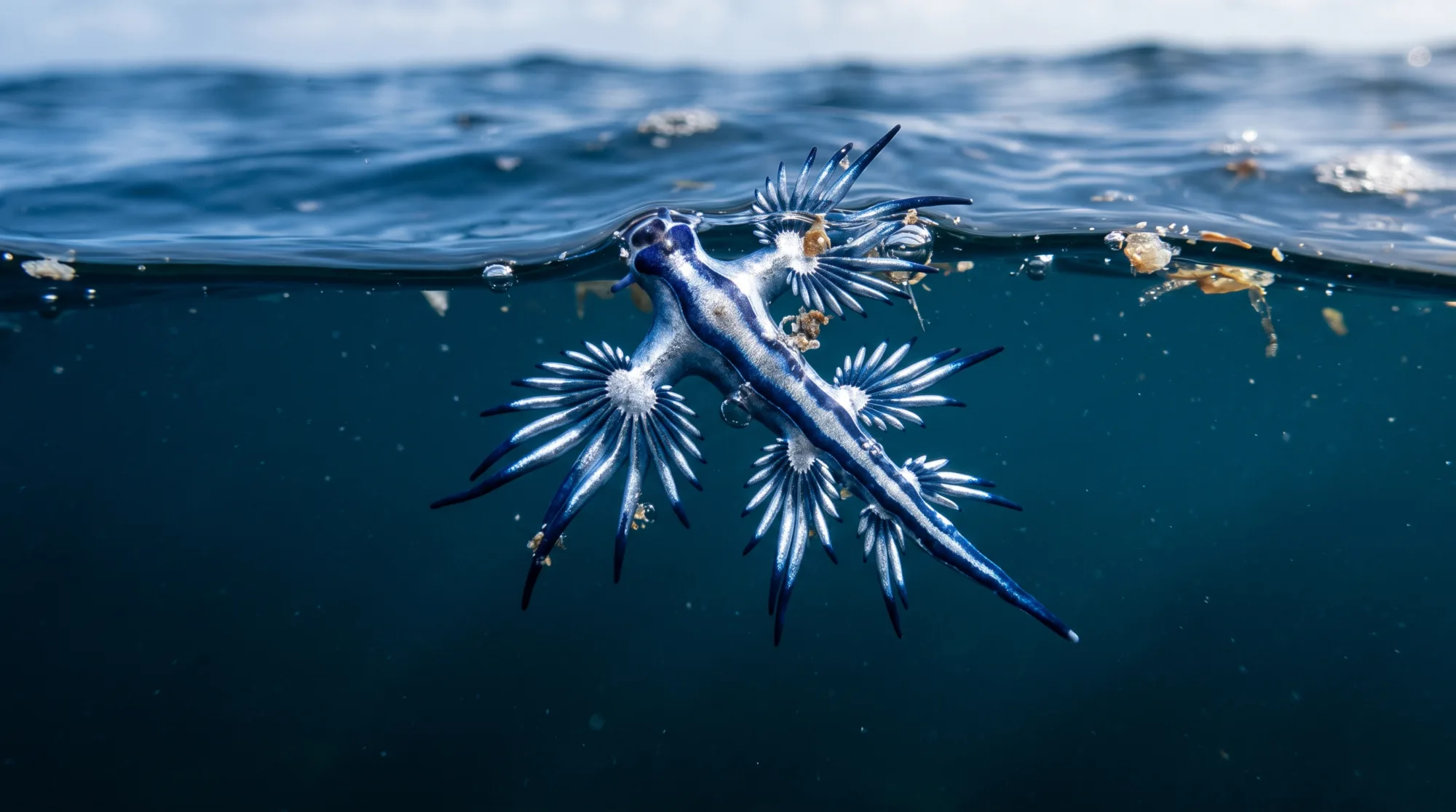
Venezuelan poodle moth
A fluffy white moth with a poodle haircut and huge black eyes. The Venezuelan poodle moth was photographed in 2009 in a remote corner of Venezuela, and it’s real. The only mystery is which species it is, because no one has collected one yet.
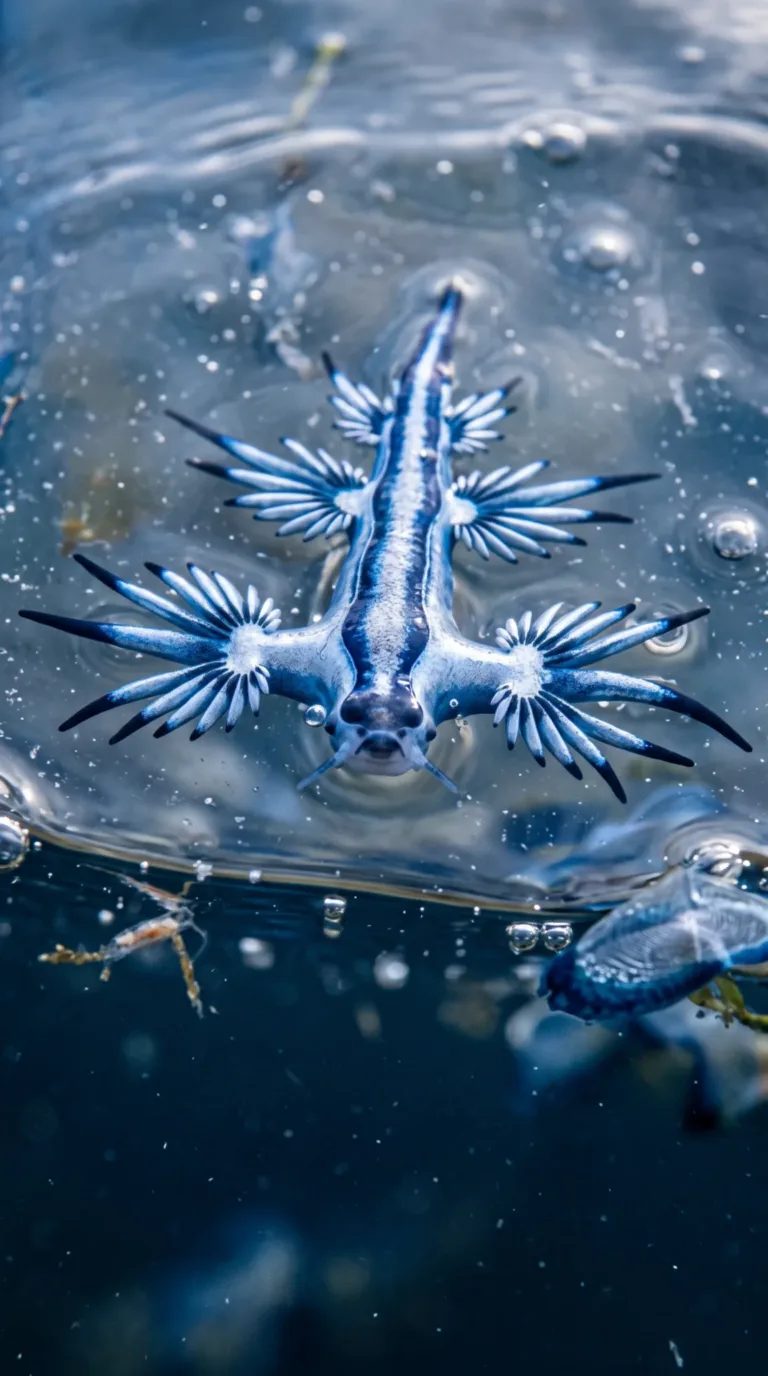
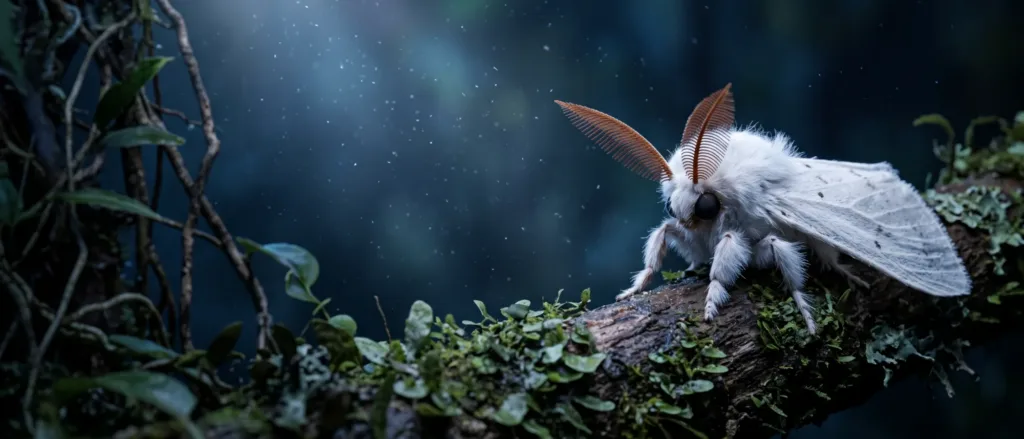
Blue dragon
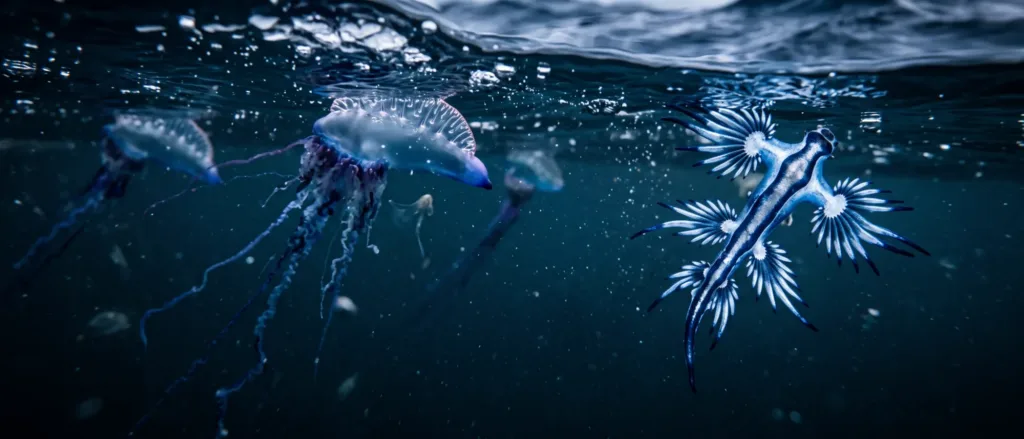
A tiny, electric-blue sea slug that looks like a fantasy creature. The blue dragon floats upside down on the ocean surface, eats venomous Portuguese man o’ wars and stores their stinging cells in its own body to use as weapons.
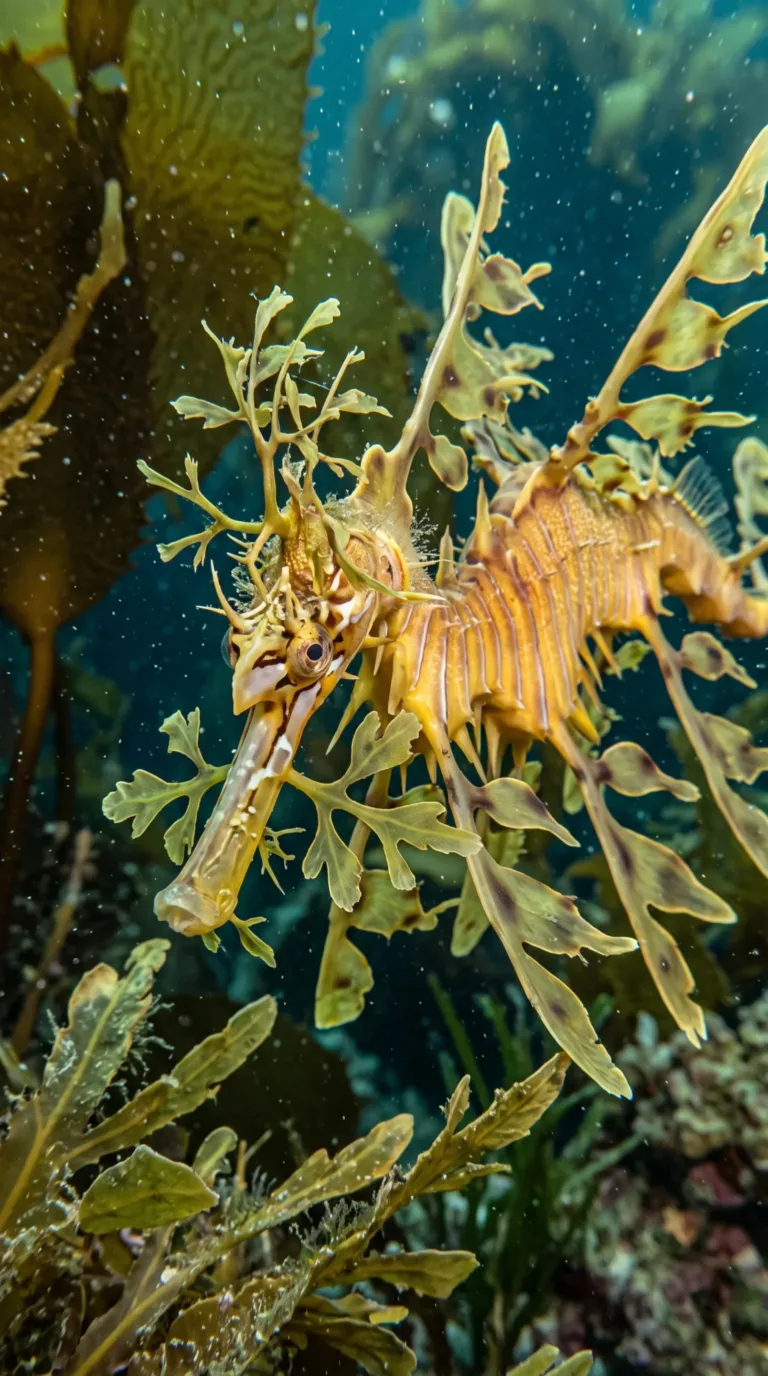
Leafy sea dragon
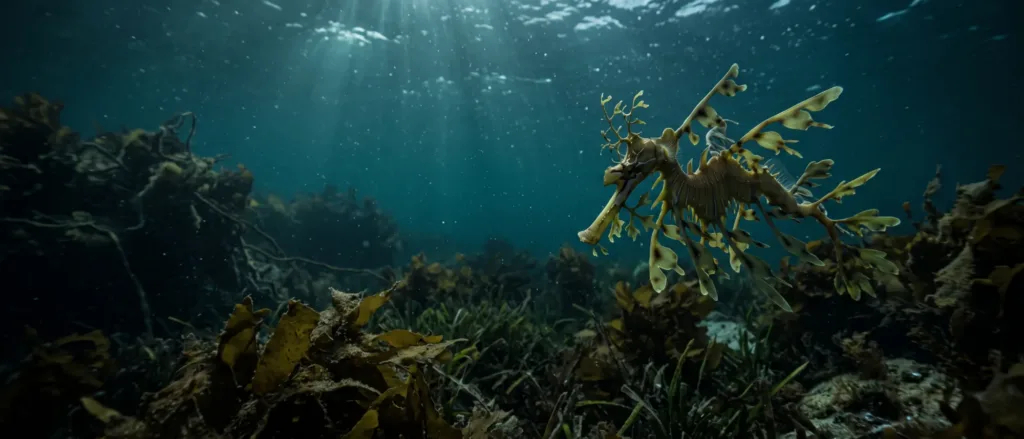
Is it seaweed or a fish? The leafy sea dragon is covered in leaf-shaped flaps that make it almost invisible among kelp off southern Australia. Like seahorses, the dads carry the eggs.
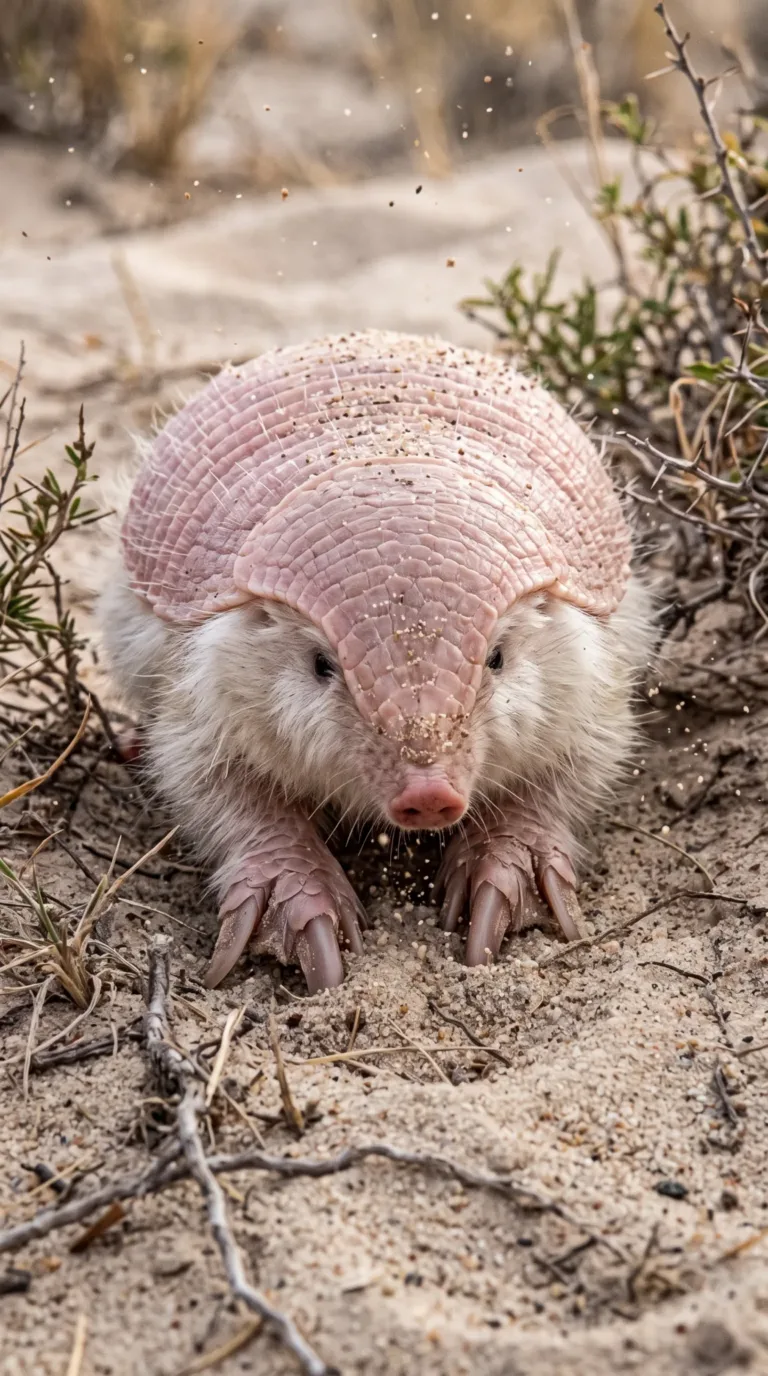
Pink fairy armadillo
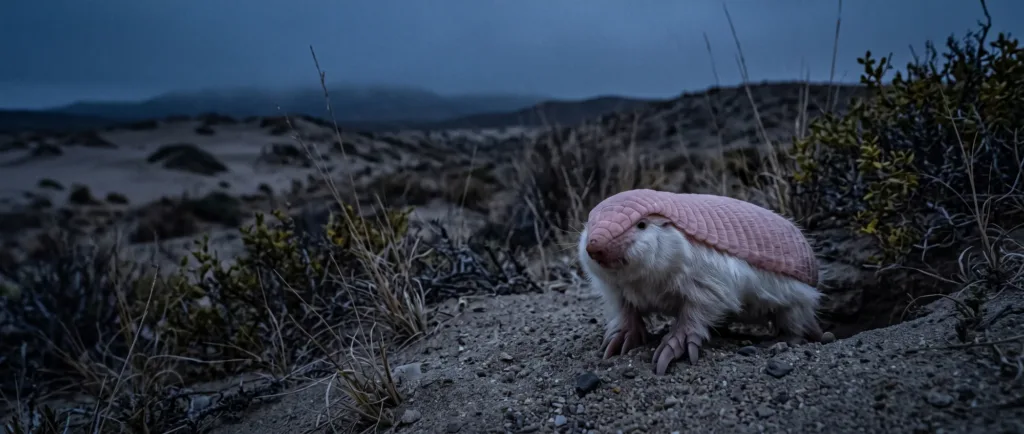
A pink shell, white fur and the size of a bar of soap. The pink fairy armadillo is the smallest armadillo in the world. It “swims” through the sandy soil of Argentina, and its shell is pink because blood vessels shine through it.
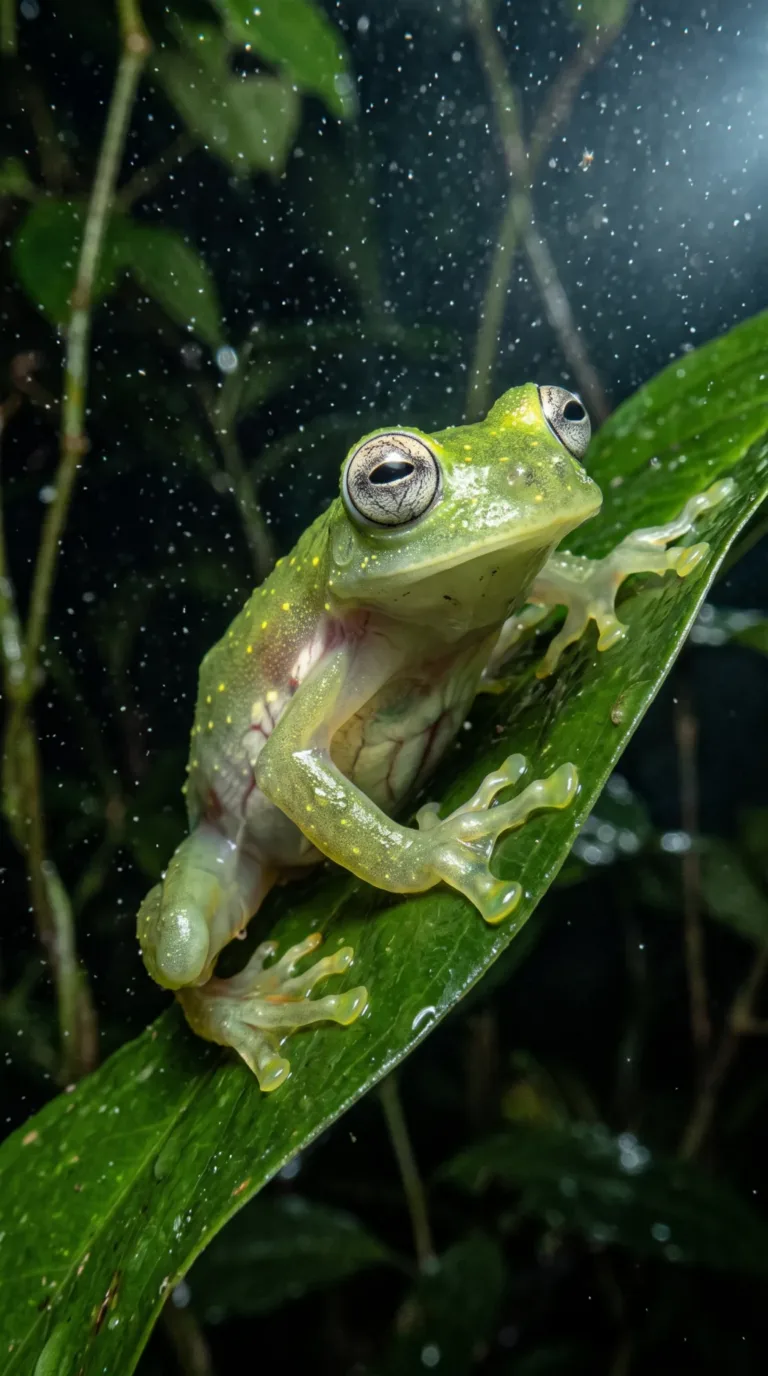
Glass frog

Turn it over and you can watch its heart beat. The belly skin of the glass frog is so transparent that its organs are on full display. When it sleeps, it hides most of its blood in its liver to become even more see-through.
Narwhal
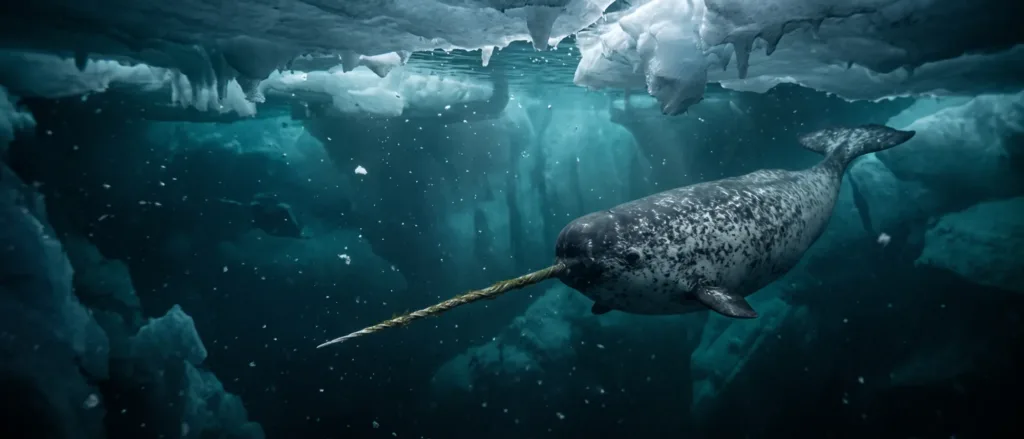
A whale with a unicorn horn? The narwhal is real, and its “horn” is actually a tooth that can grow up to about 3 metres long, packed with nerve endings. Medieval traders sold them as unicorn horns.
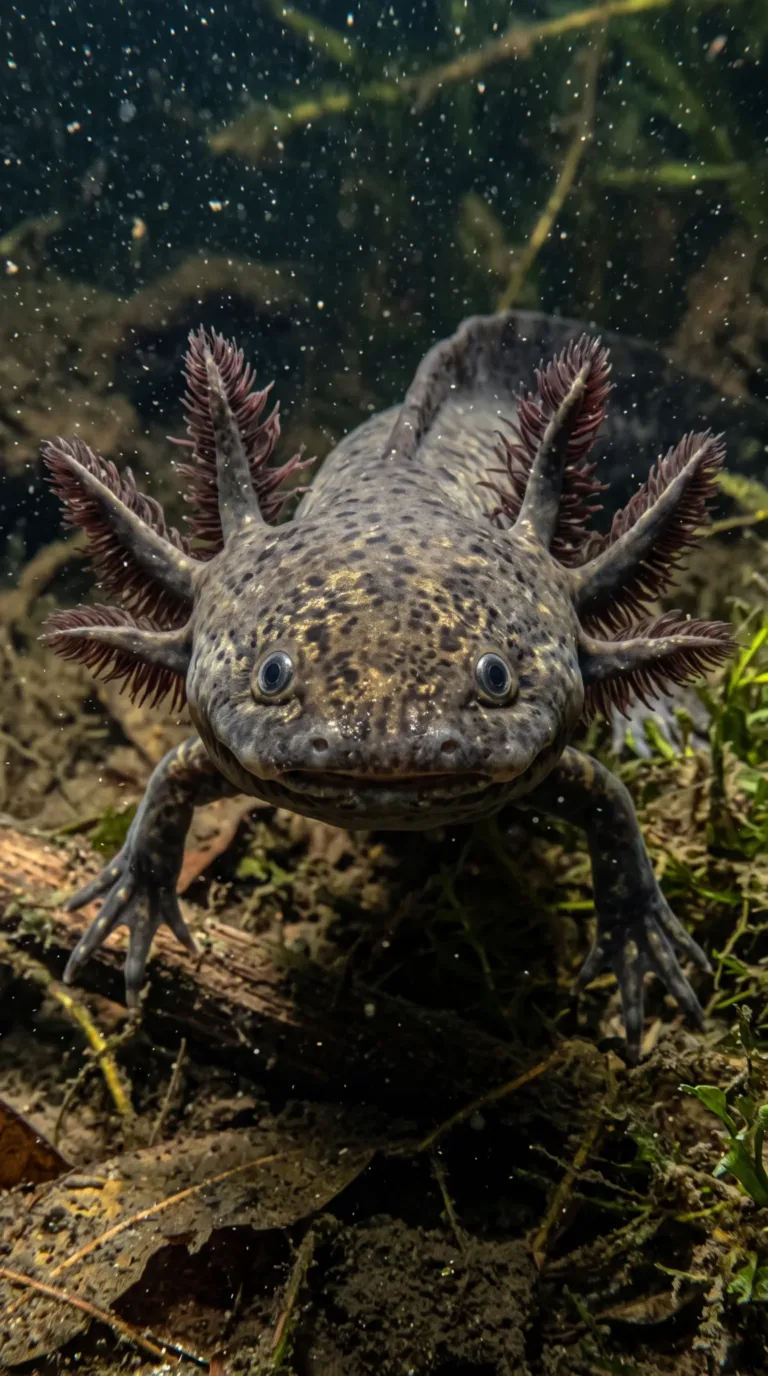
Axolotl
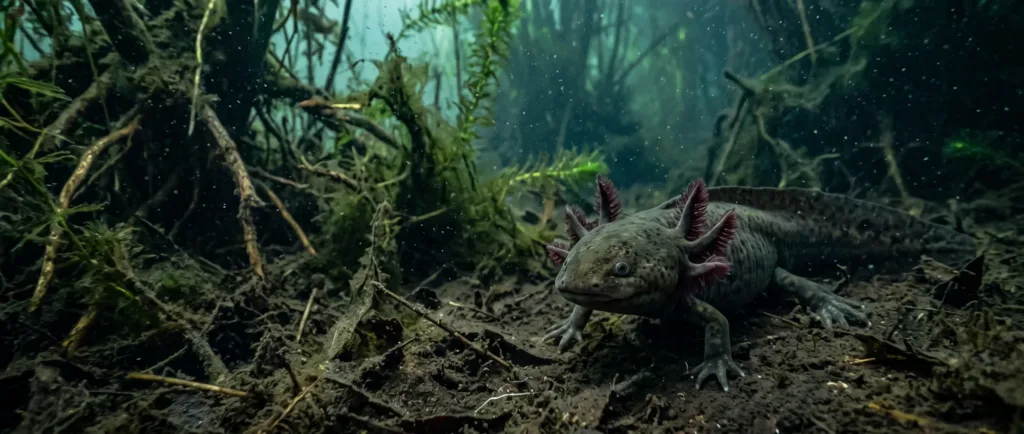
The axolotl looks like a cartoon: a permanent smile, feathery pink gills and tiny hands. It also regrows lost legs, parts of its heart and even its brain. Pink ones are pet varieties; wild axolotls are dark and Critically Endangered.
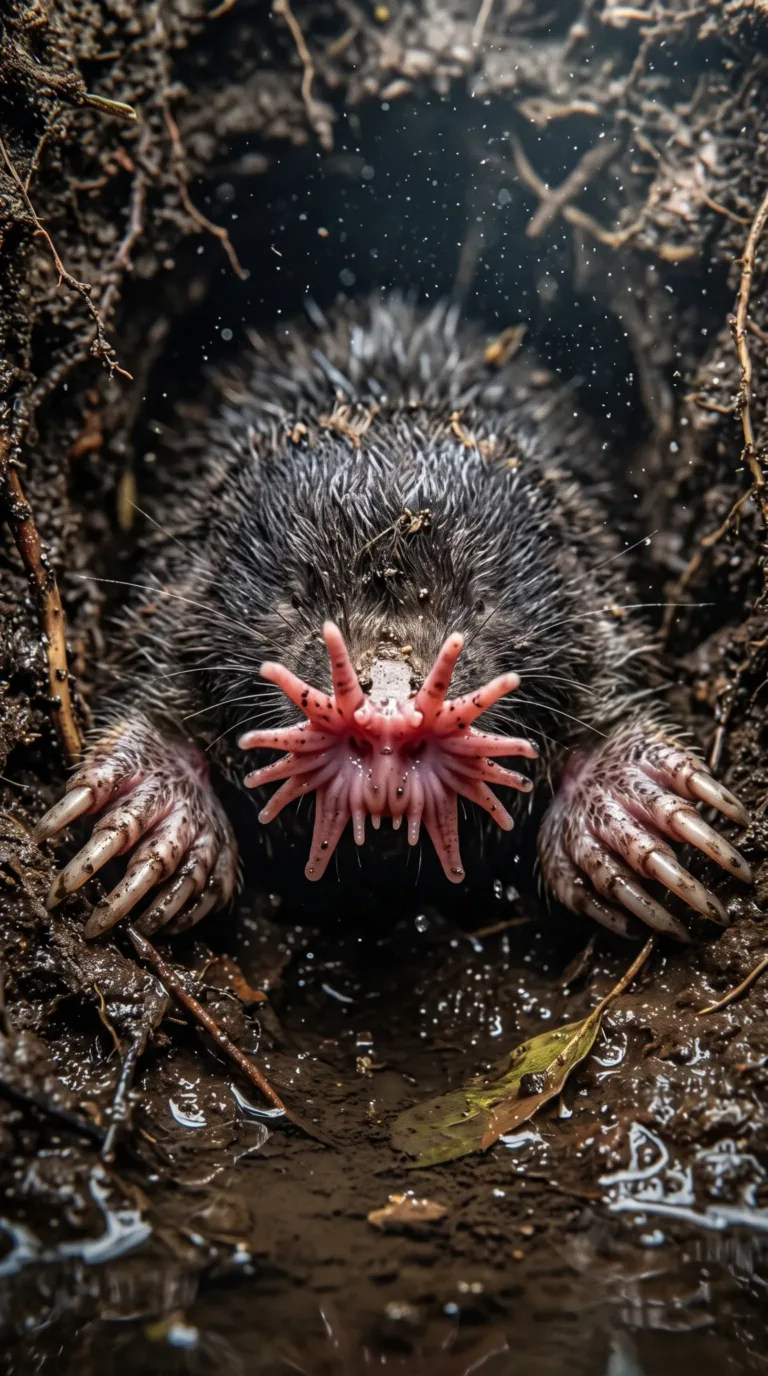
Star-nosed mole

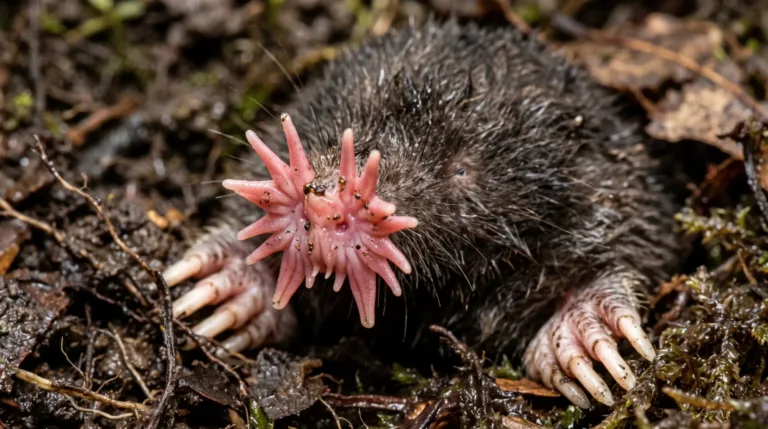
Its nose is a pink star of 22 fleshy tentacles. The star-nosed mole uses it to feel its way through mud in the dark, and it can find and eat a worm faster than you can blink.
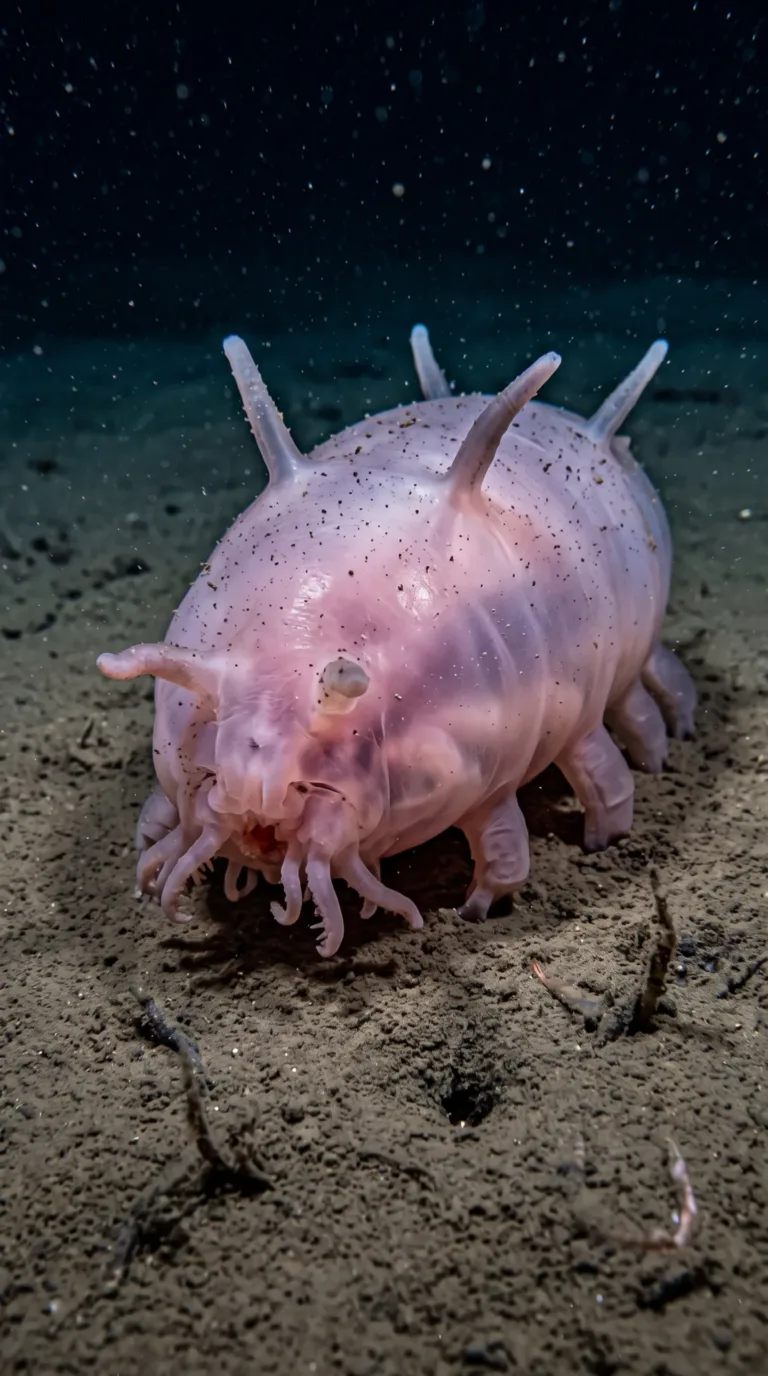
Sea pig
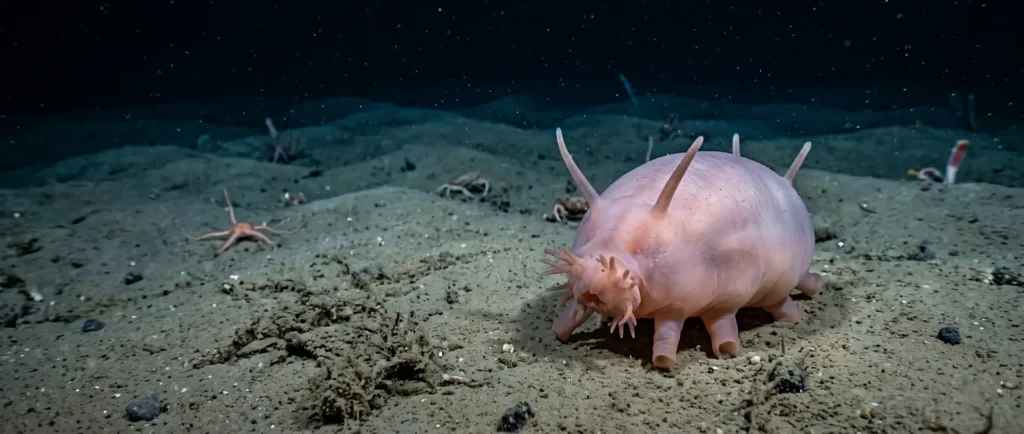
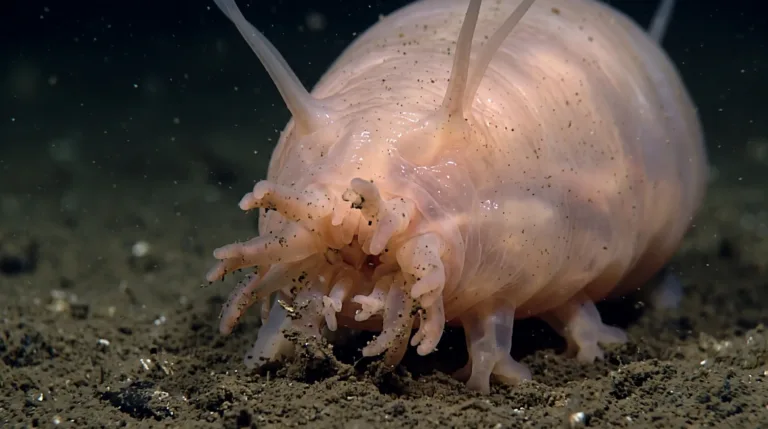
A see-through pink body with little legs, walking along the ocean floor. The sea pig is a deep-sea cucumber that marches in herds and eats mud. It looks like a plastic toy, but it’s very much alive.
Leaf sheep sea slug
A tiny sea slug with a cute face and leafy green “wool”. The leaf sheep is only a few millimetres long. It eats algae and keeps their green chloroplasts working inside its body, so it might be able to make energy from sunlight, like a plant.
Strange but trueThe leaf sheep is one of the very few animals that can “steal” photosynthesis from the algae it eats. Scientists call it kleptoplasty: plant-power theft.
Rosy maple moth
Bubblegum pink and lemon yellow, like a sweet from a candy shop. The rosy maple moth lives in the forests of North America, and despite its party colours, it’s a small, harmless moth that loves maple trees.
Red-lipped batfish
A fish wearing bright red lipstick, walking on its fins along the sea floor. The red-lipped batfish lives around the Galápagos Islands and is a terrible swimmer. Scientists think the red lips may help it attract a mate.
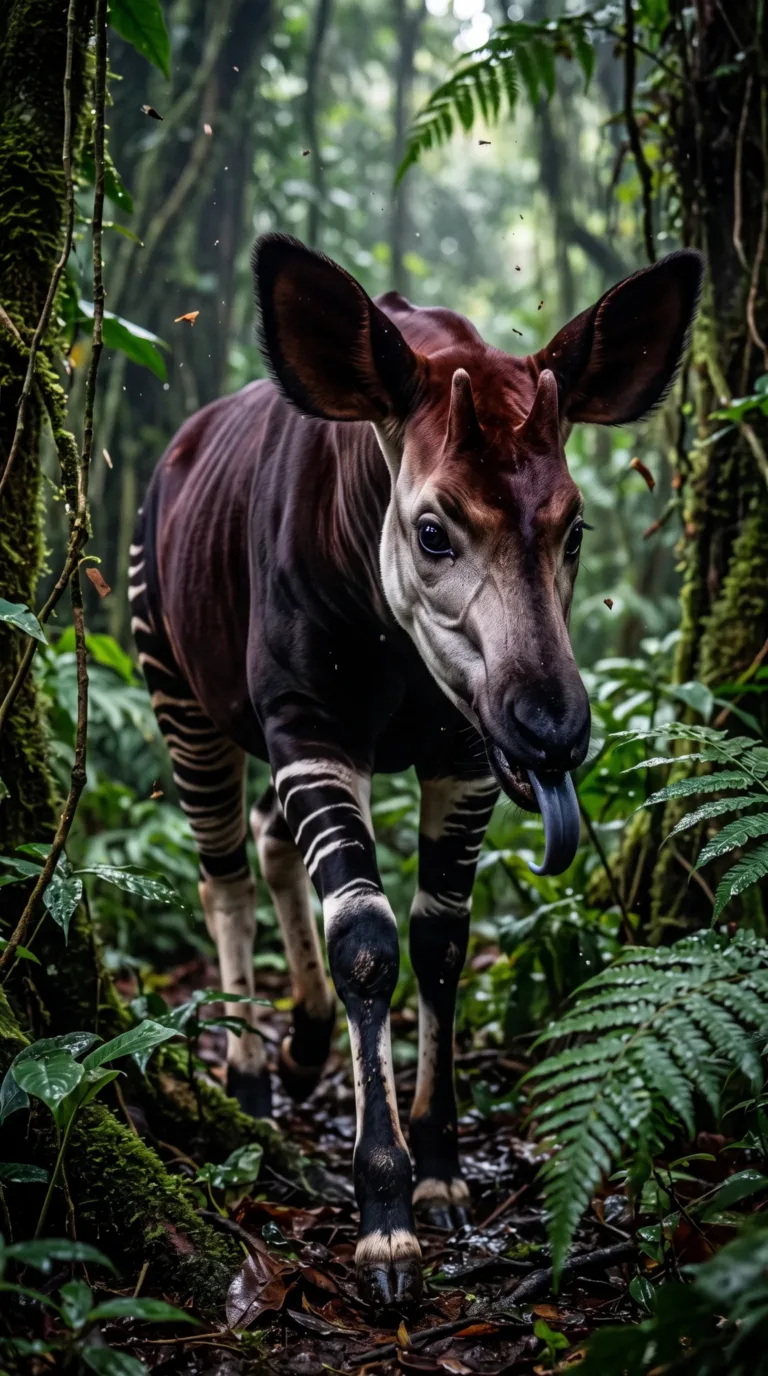
Okapi
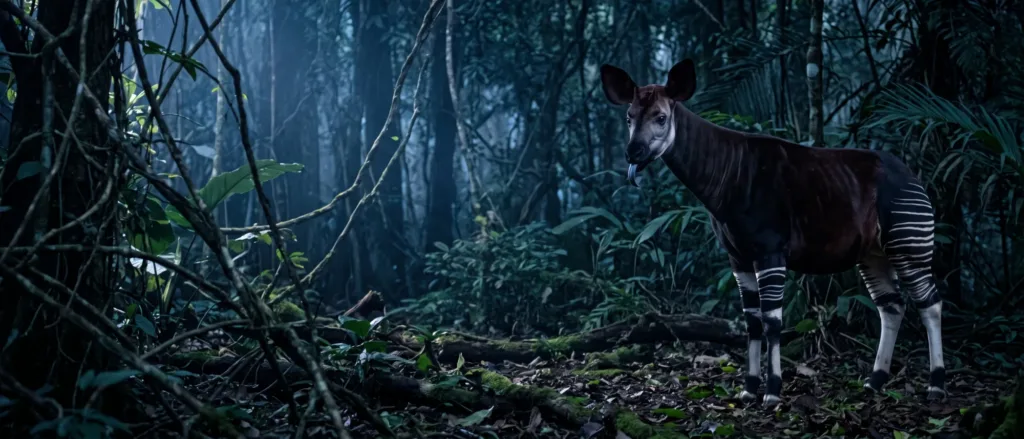
Zebra legs, a horse-like body and a long blue tongue. The okapi looks like a mash-up, but it’s actually the giraffe’s only living relative. It lives in the rainforests of the Congo and wasn’t known to Western science until 1901.
Saiga antelope
An antelope with a floppy, trunk-like nose that looks like a Star Wars character. The saiga uses its big nose to filter dust in summer and warm freezing air in winter on the steppes of Central Asia.
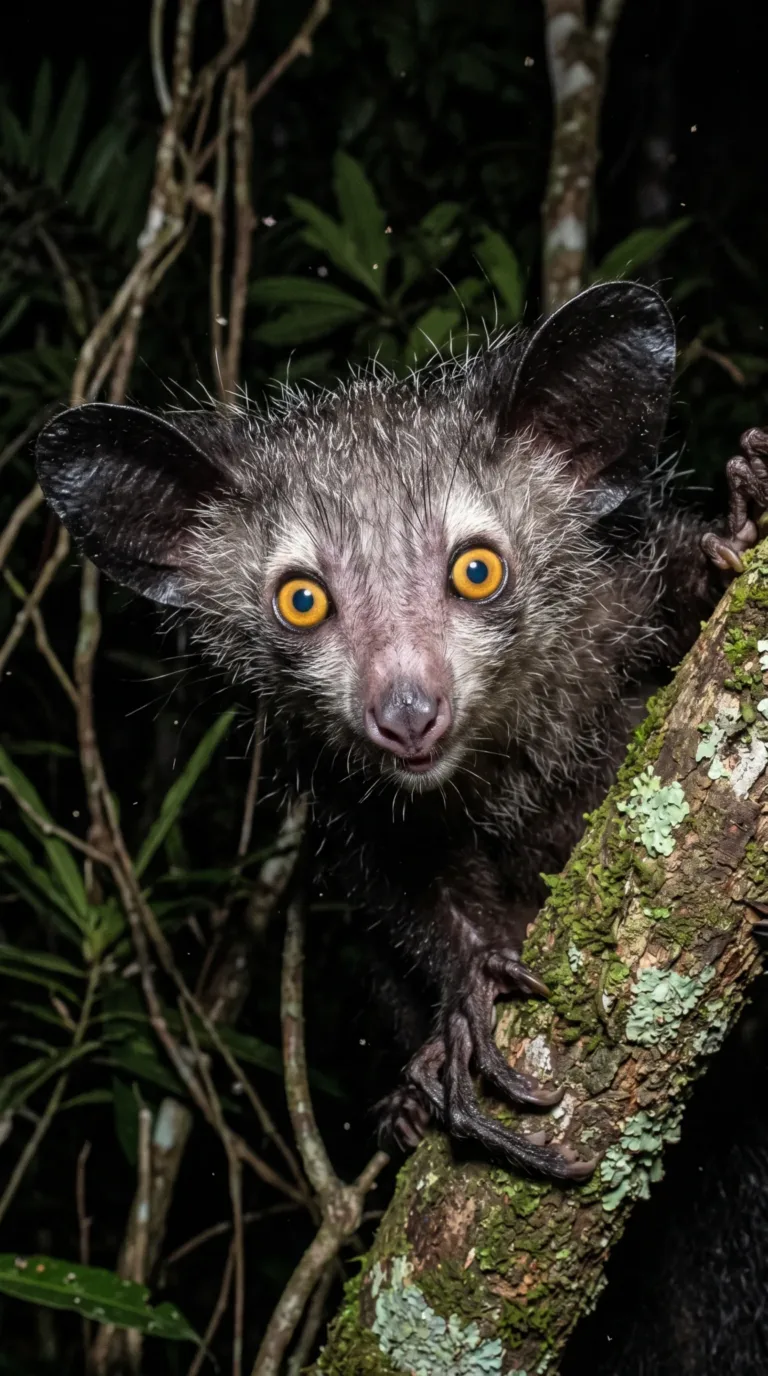
Aye-aye
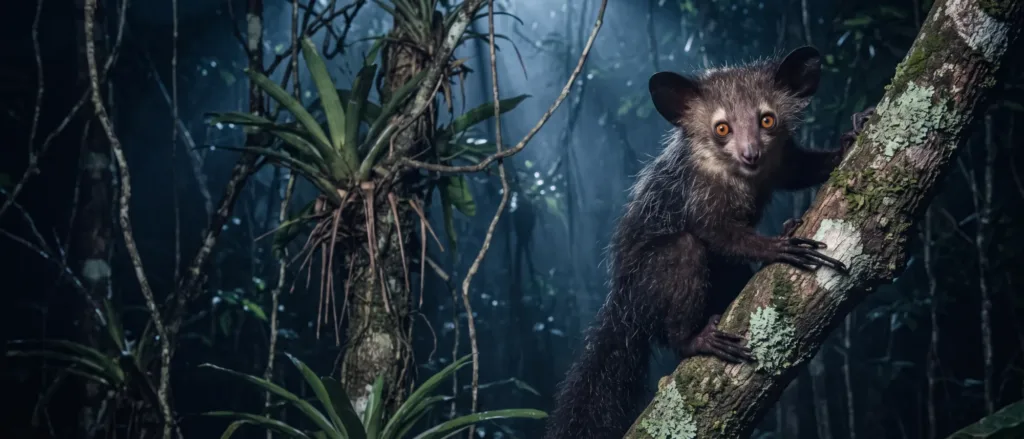
Huge eyes, bat ears and one creepy, skeleton-thin middle finger. The aye-aye of Madagascar taps on trees with that finger, listens for grubs moving inside, then fishes them out. It’s a lemur, a primate like us.
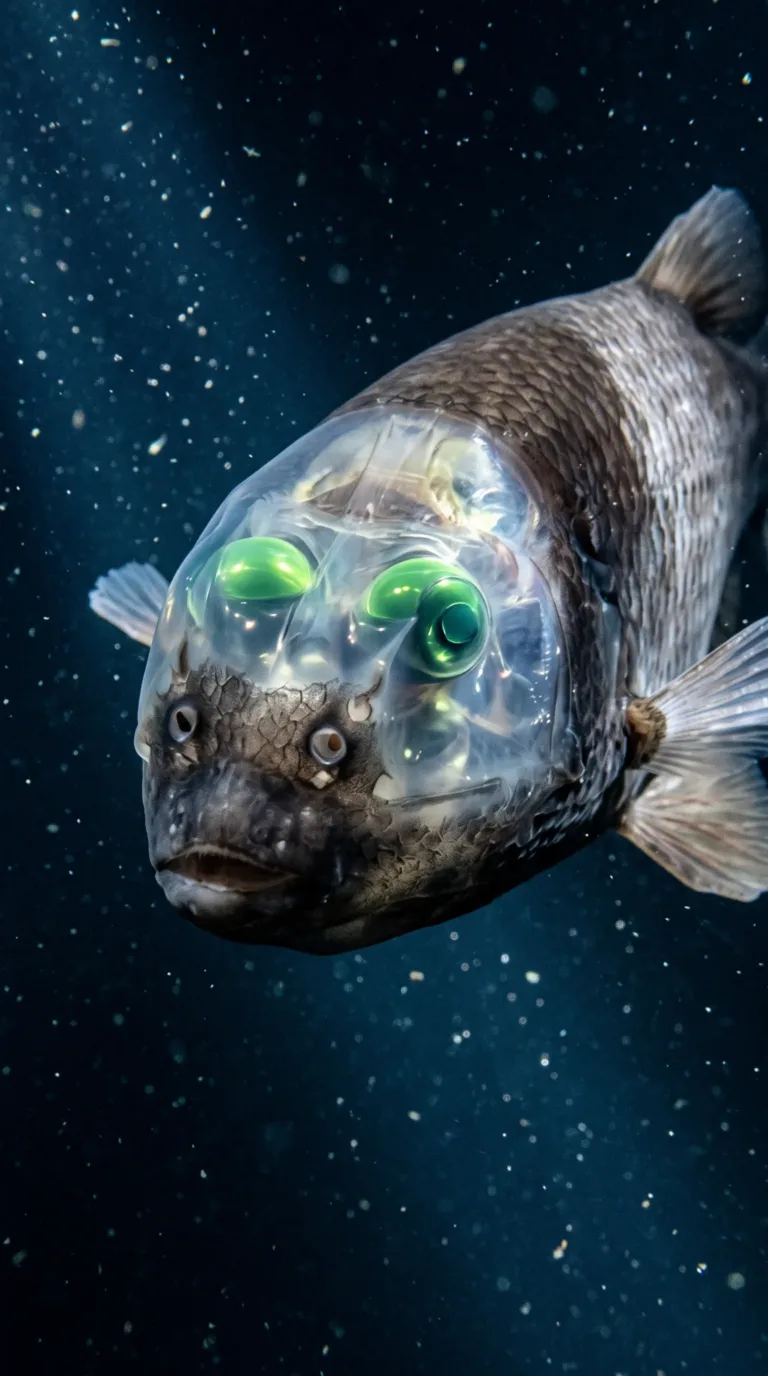
Barreleye fish
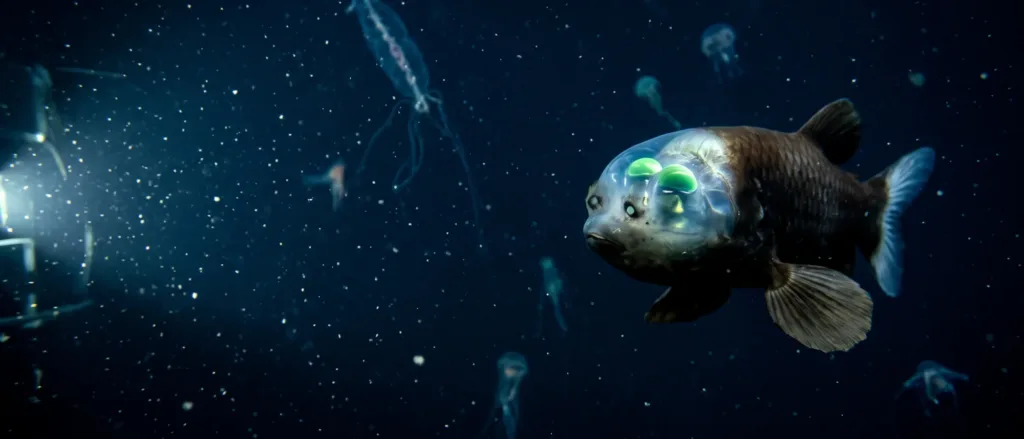
A fish with a transparent head and glowing green eyes inside it. The barreleye looks like a little spaceship, and those “eyes” on its face are really nostrils. For decades, nobody even knew it had a see-through dome.
Fried egg jellyfish
It looks exactly like breakfast floating in the sea: a white rim and a bright yellow dome in the middle. The fried egg jellyfish is real, and its sting is mild to humans. Little fish often shelter between its tentacles.
Orchid mantis
Pink and white, with legs shaped like petals. The orchid mantis of Southeast Asia looks like a flower, and insects buzz right up to it expecting nectar. Instead, they become lunch.
Superb bird-of-paradise
When he dances, the male superb bird-of-paradise turns into a black oval with a bright blue smiley face. His black feathers are so dark they swallow over 99% of light, making the blue look like it’s glowing. It looks like a cartoon, but it’s a real courtship dance in New Guinea.
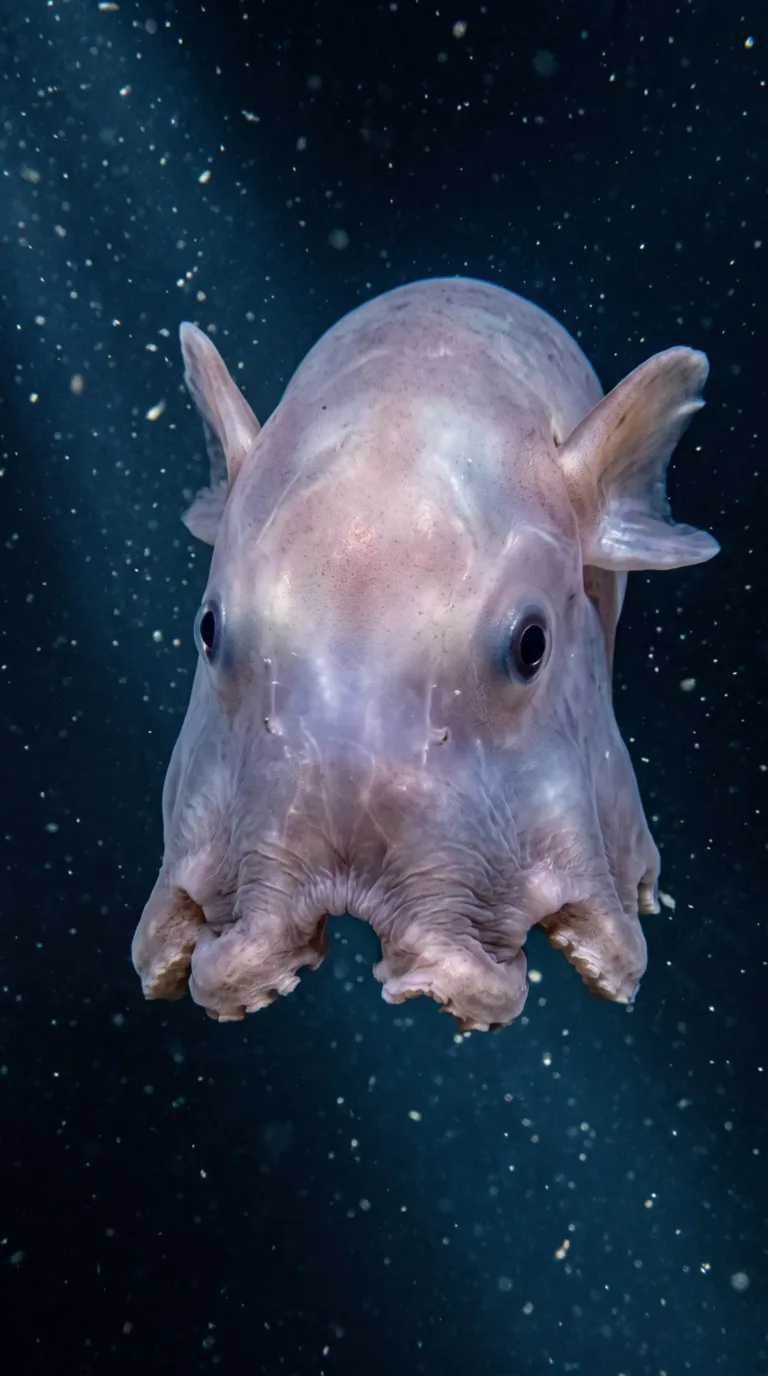
Dumbo octopus
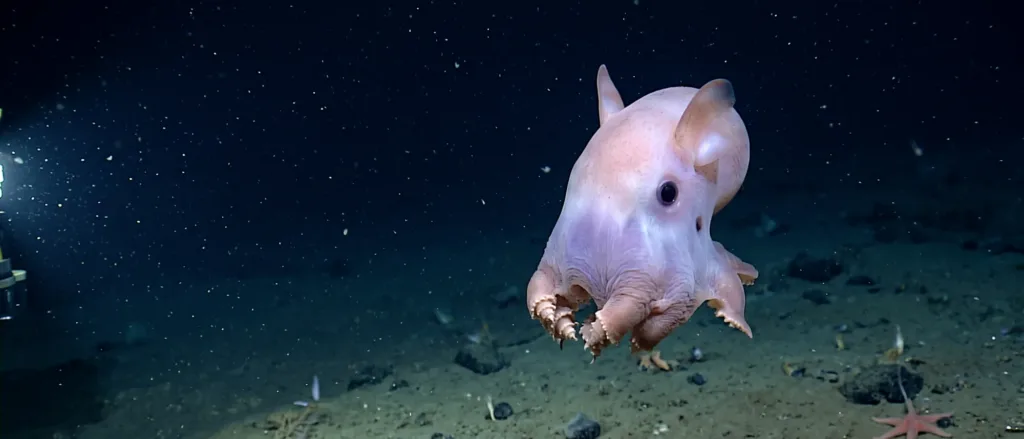
An octopus with ears? The Dumbo octopus flaps two fins on its head like an elephant from a Disney film. It lives deeper than any other known octopus, thousands of metres down.
Pink dolphin
Yes, pink dolphins exist. The Amazon river dolphin, also called the pink dolphin or boto, gets pinker as it ages, and males are often the pinkest of all. It’s sadly Endangered.
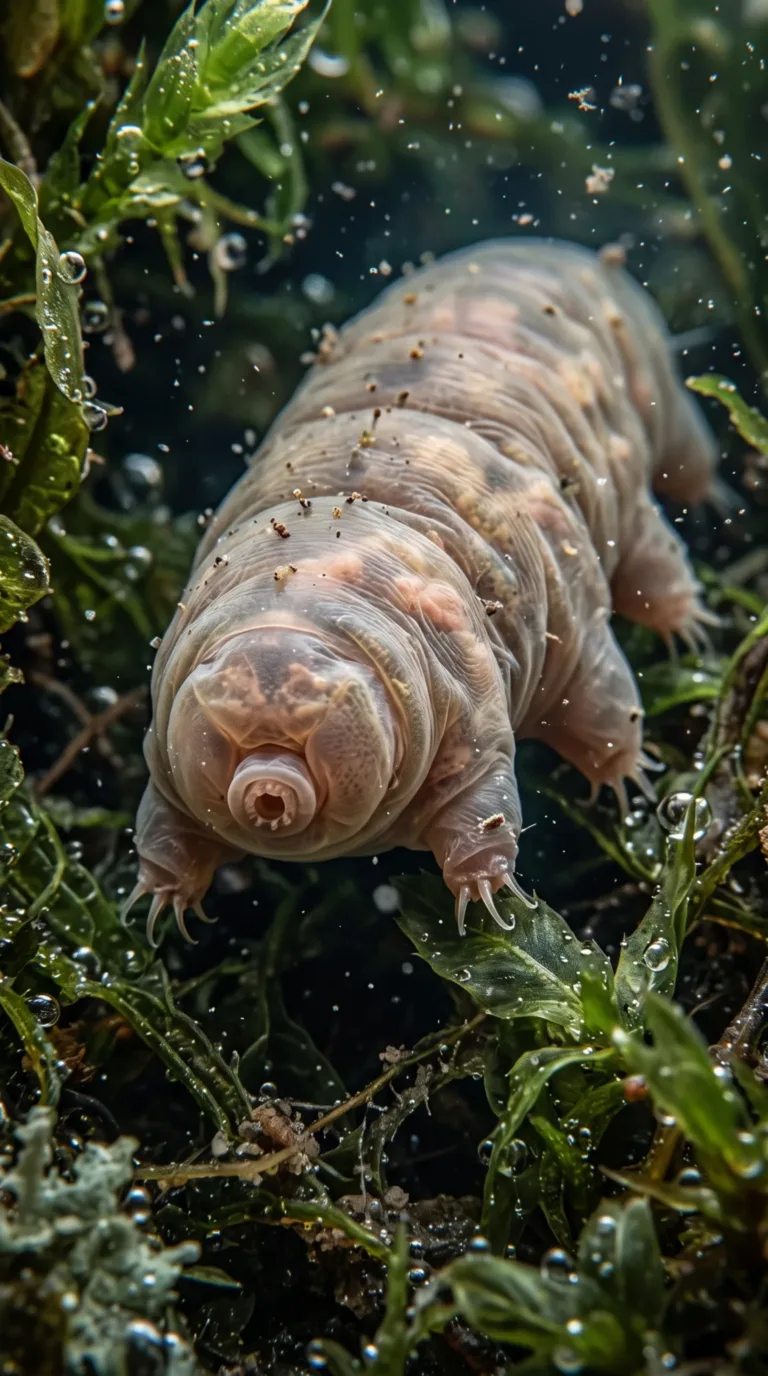
Tardigrade
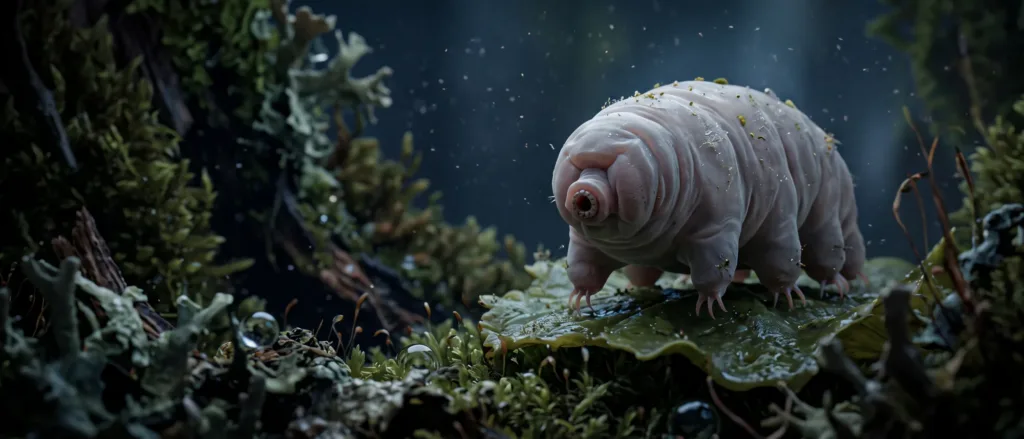
A chubby, eight-legged “water bear” smaller than a grain of sand. The tardigrade looks like a cartoon under a microscope, and it can survive freezing, boiling and even the vacuum of space.
Yeti crab
A pale crab with arms covered in long, silky blond hair. The yeti crab was discovered in 2005 near deep-sea vents. It grows bacteria on its “fur” and then eats them.
Japanese spider crab
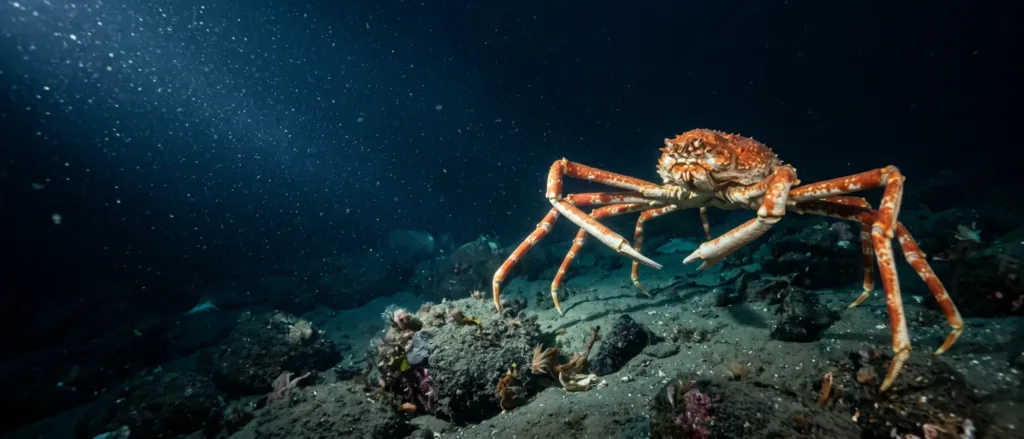
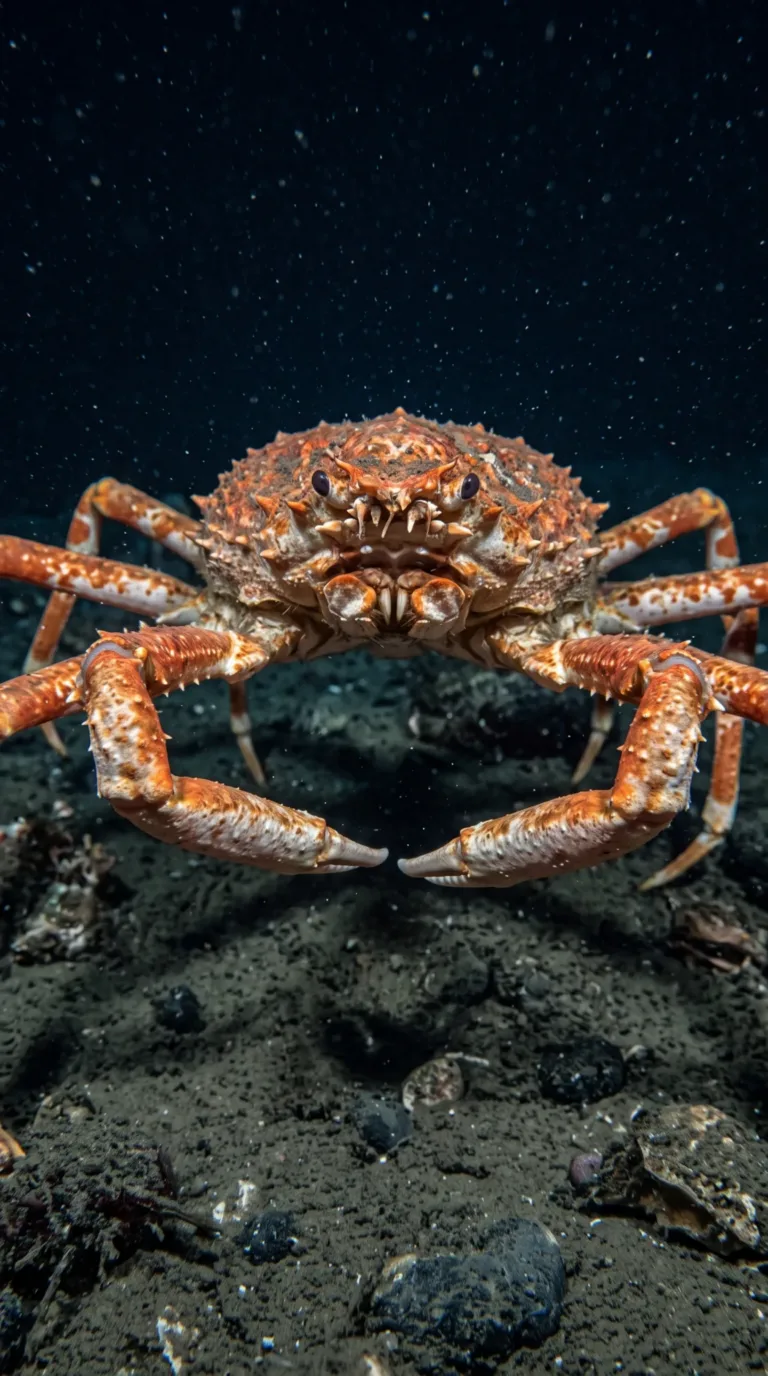
Its legs can span up to about 3.7 metres, wider than a car. The Japanese spider crab looks like a giant alien spider, but it’s a slow, gentle scavenger from the seas around Japan.
Blobfish
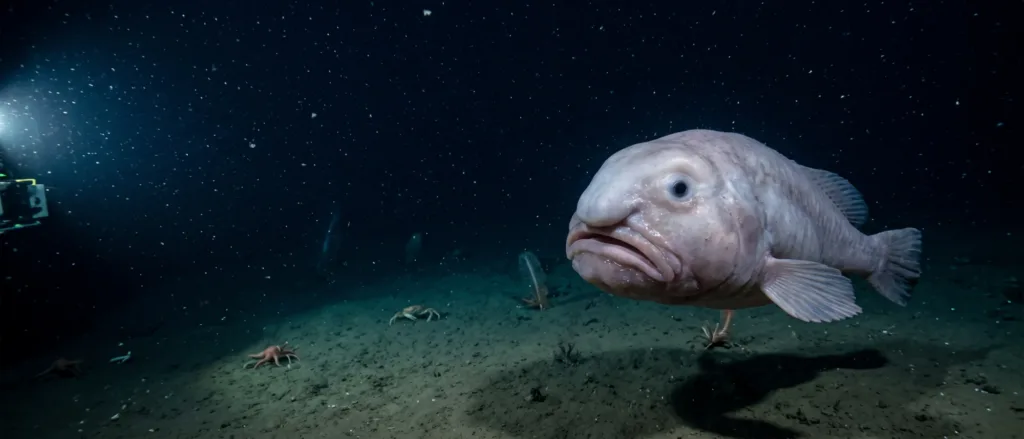
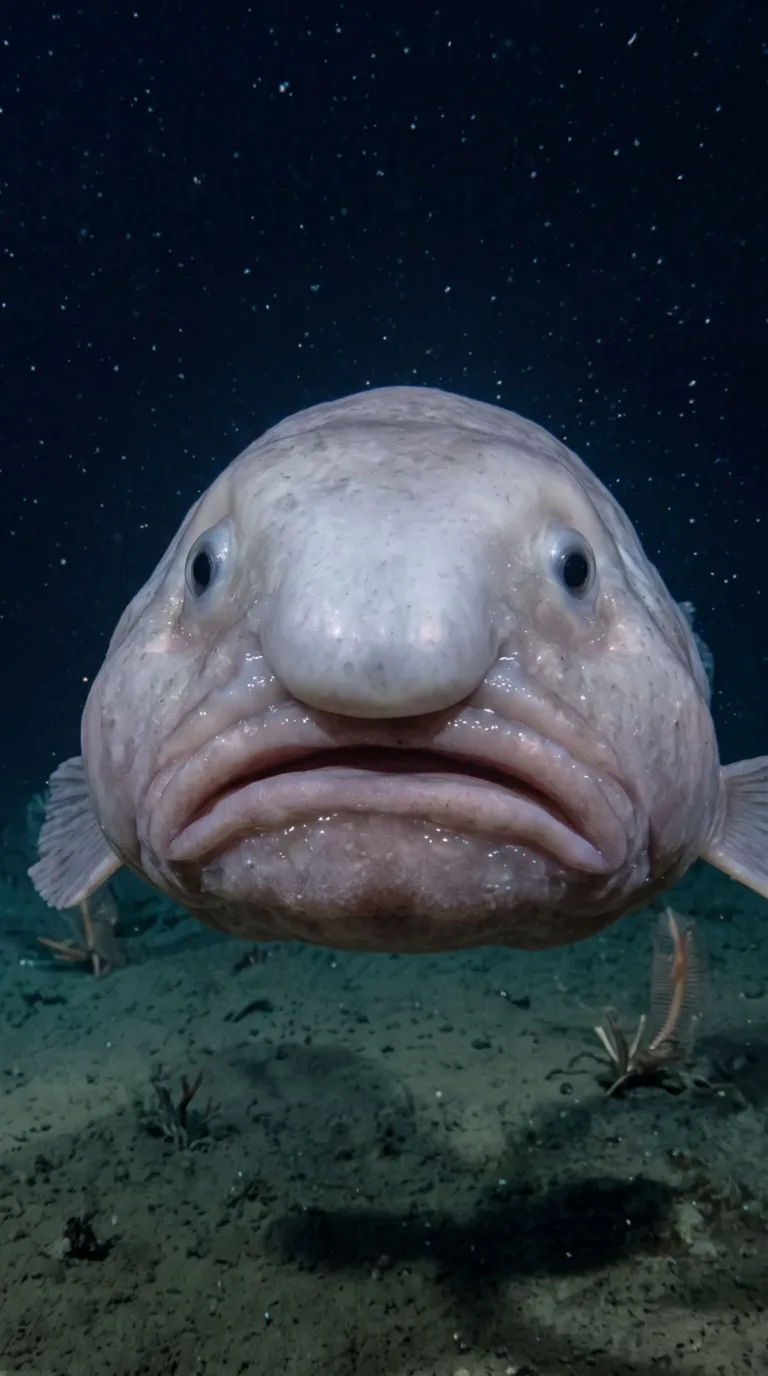
The famous sad, saggy pink face is real, but it’s only what a blobfish looks like after being pulled up from the deep sea. In its natural home, it looks like a normal fish. Real, just very unlucky with photos.
If it looks too strange to be true, it might just be nature showing off.
Why do real animals look so fake?
Because evolution doesn’t care what looks believable. It only cares what works. Bright colours scare off predators or attract mates. Weird shapes help animals hide, hunt or survive extreme places. And many of these animals live in remote rainforests or the deep sea, so most people have simply never seen them.
In the age of AI images, it’s smart to be suspicious. But don’t let that stop you from being amazed. Explore more mind-bending creatures in our Real or Fake? collection.
Tell a friend